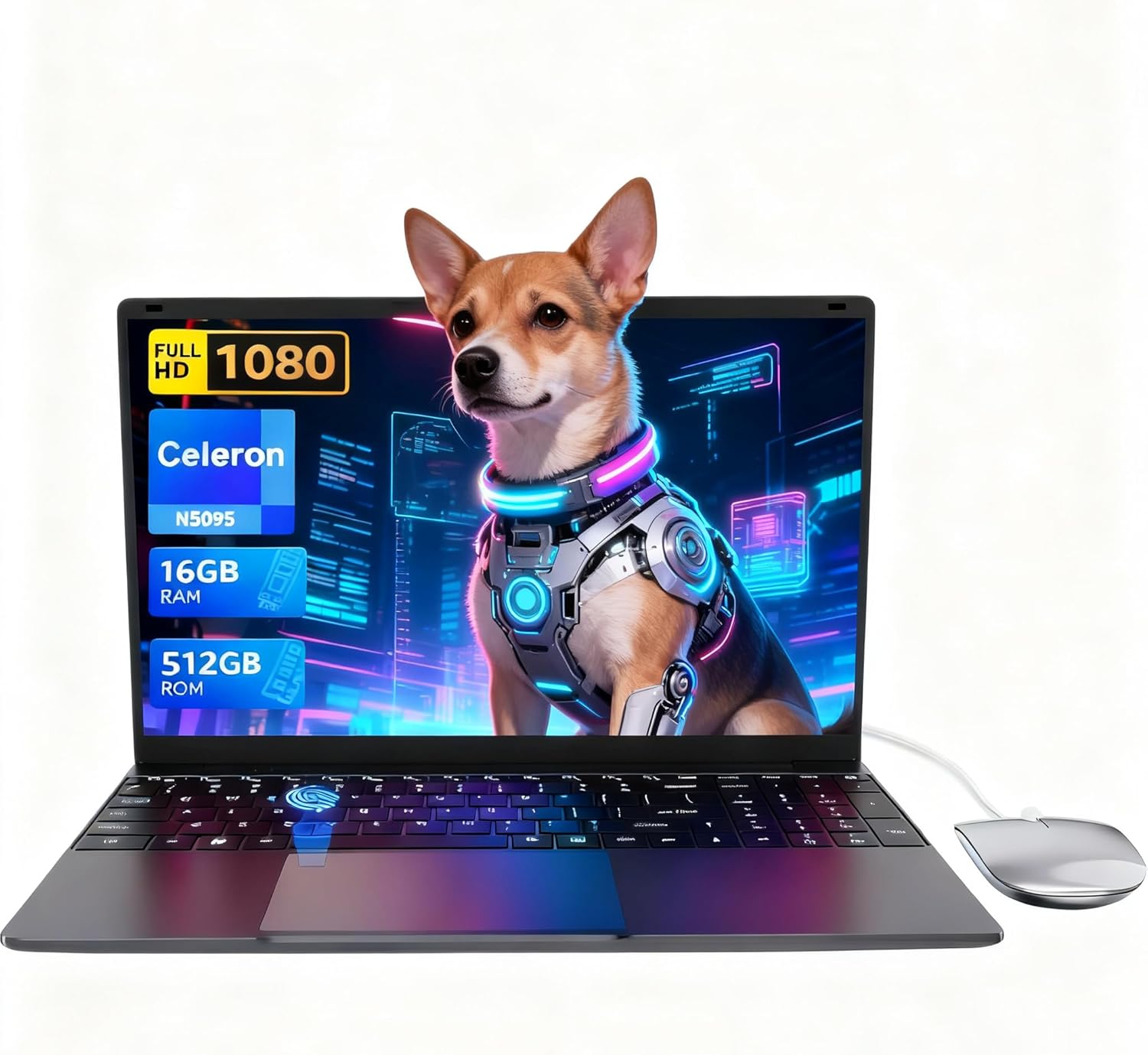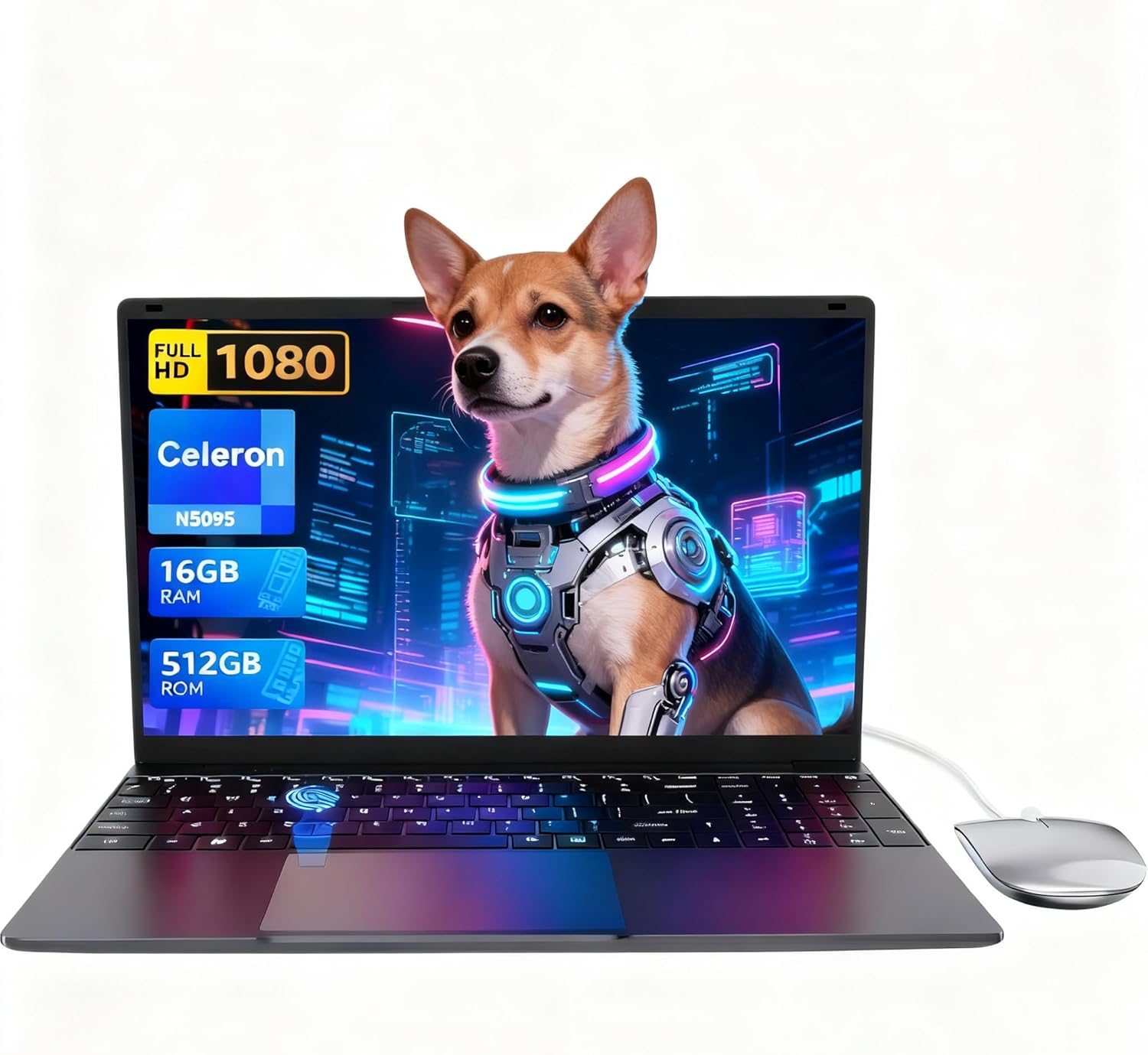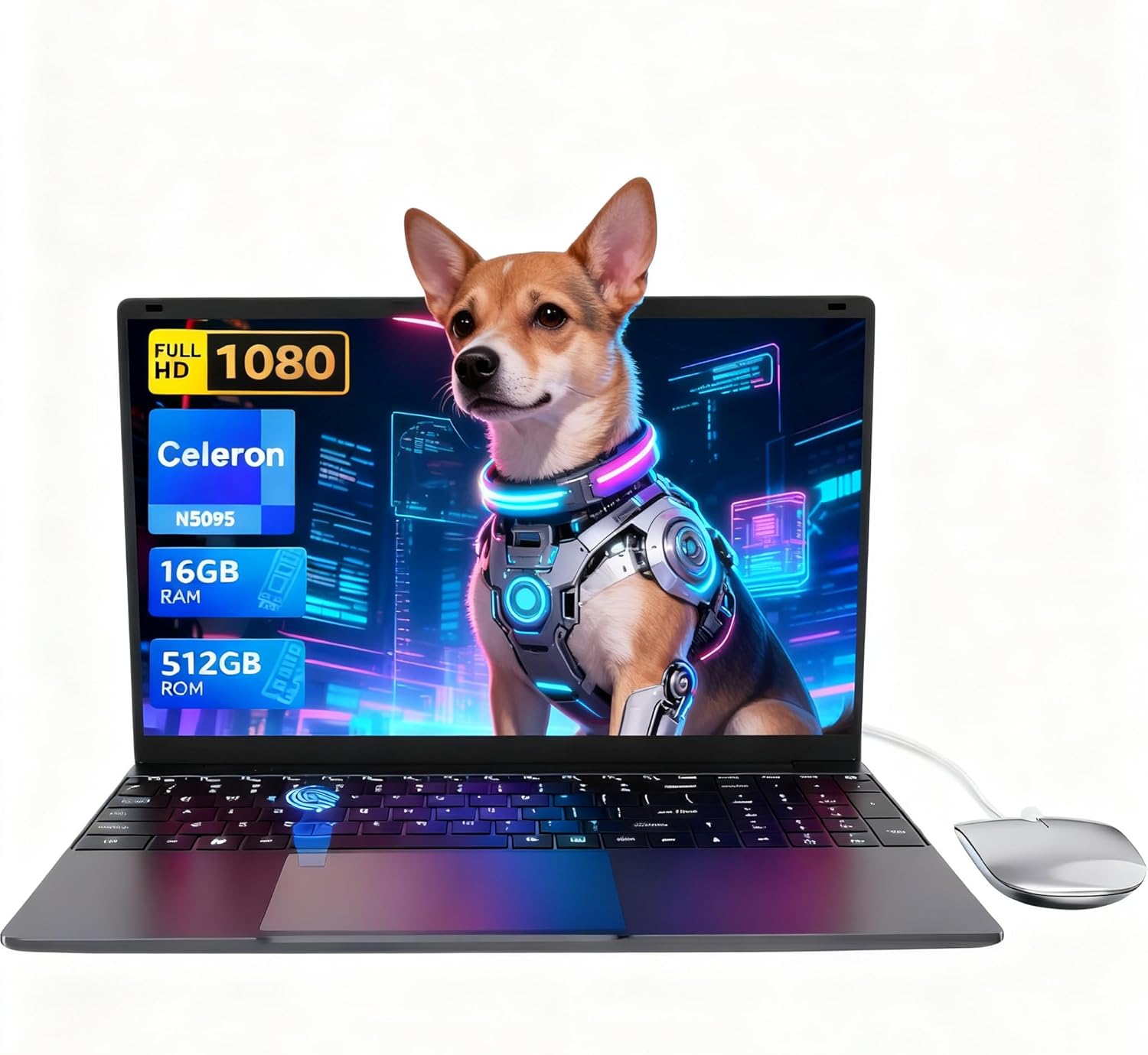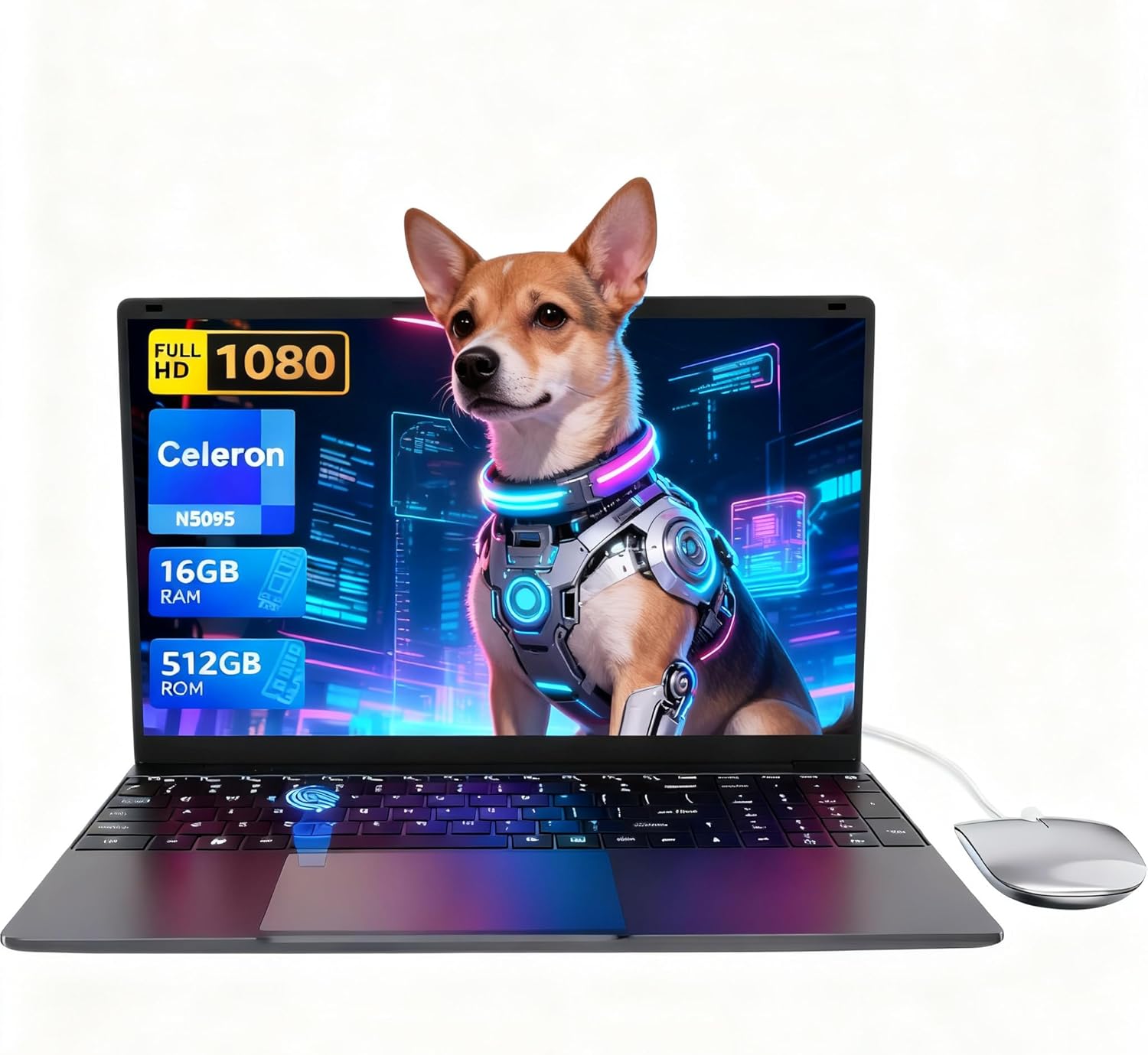
HP 250 G10 Analysis: 16GB and Pro OS Included
The Blunt Verdict
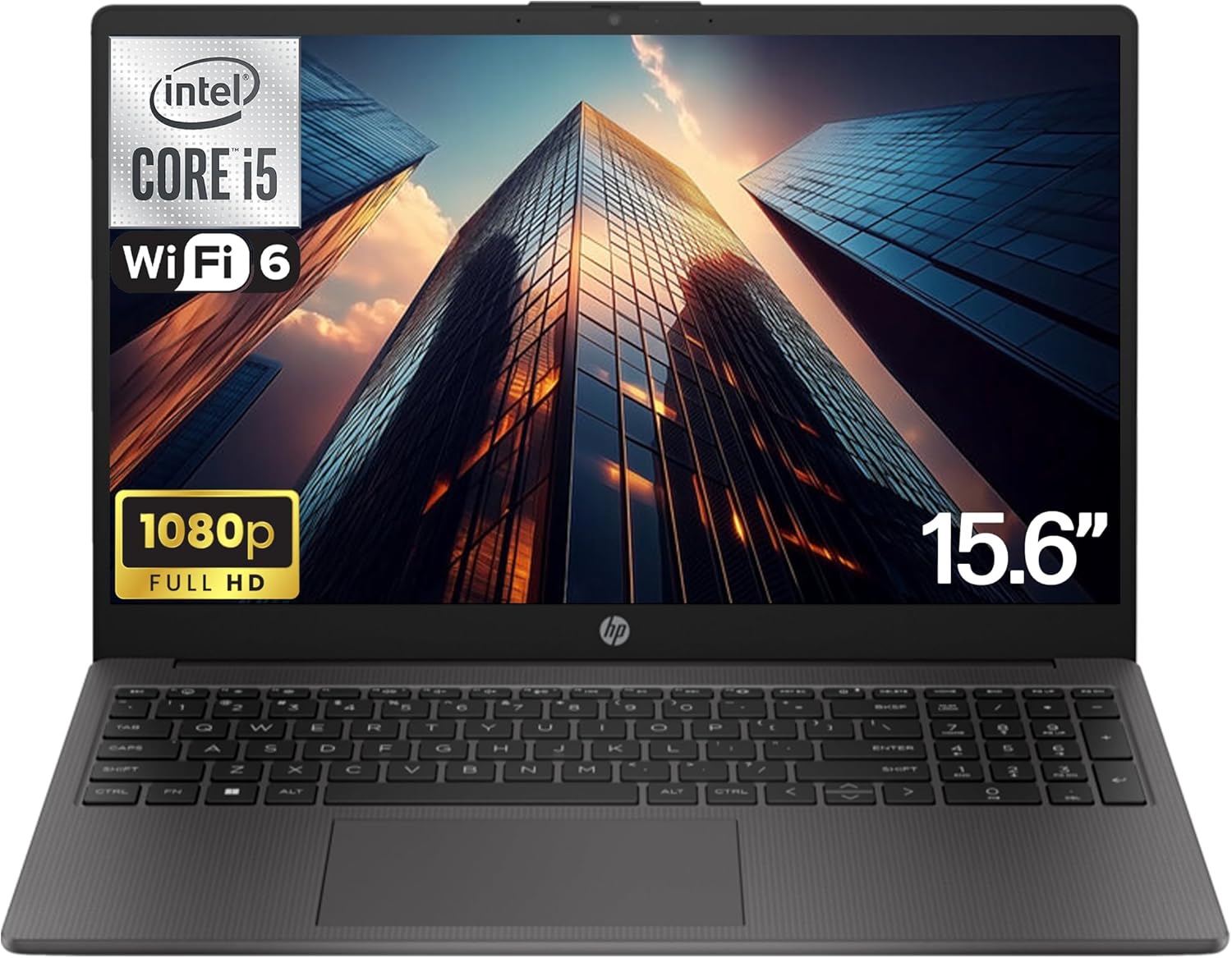
The HP 250 G10 is a straightforward business laptop aimed squarely at students, home workers, and small business users who need a dependable daily machine without drama. It’s not trying to be anything it isn’t. What you get is a 13th Gen Intel Core i5-1334U, 16GB of DDR4 RAM, and a 512GB NVMe SSD — a genuinely capable spec combination that handles office work, web browsing, video calls, and light multitasking without breaking a sweat. The headline weakness is the display: a 15.6-inch 1920×1080 IPS panel with a standard 60Hz refresh rate — functional, not exciting.
That i5-1334U is a 10-core hybrid chip (6 efficiency, 4 performance) boosting up to 4.6GHz. Paired with 16GB DDR4, it handles multitasking better than most machines in this class. The 512GB PCIe NVMe storage is fast enough that boot times and app launches feel snappy. Graphics are handled by integrated Intel Iris Xe — fine for productivity, not for gaming. Windows 11 Pro is included out of the box, which is worth flagging: most consumer laptops at this level ship with Home. Pro gives you BitLocker encryption and remote desktop, which matters to business buyers.
Buy this if you need a no-nonsense work or study machine with a solid RAM spec and proper OS licensing. Skip it if you want anything beyond basic productivity — no dedicated GPU, no high-refresh display, and battery specs aren’t confirmed in the data. This sits firmly in mid-range territory and earns its place there honestly.
See the HP 250 G10 listing and current availability on Amazon.

Pros and Cons
Pros
- 16GB DDR4 RAM is genuinely generous at this level — most competitors still ship with 8GB as standard
- Windows 11 Pro included, not Home — BitLocker encryption and remote desktop access come as standard
- Intel Core i5-1334U is a capable 10-core chip with solid real-world multitasking headroom
- 512GB NVMe SSD delivers fast boot times and quick file access without the sluggishness of eMMC or SATA drives
- Wi-Fi 6E support future-proofs wireless connectivity on compatible routers
- Numeric keypad included — useful for data entry work and often absent on 15.6-inch machines at this level
Cons
- Battery capacity not confirmed in the spec data — a real omission that makes it hard to judge all-day usability with confidence
- Display is IPS but limited to 60Hz with no high-brightness or colour-accuracy claims — purely functional
- Integrated Intel Iris Xe graphics means no gaming, no GPU-accelerated video editing, and no external display work beyond basic output
Spec Breakdown
- Model: HP 250 G10
- CPU: Intel Core i5-1334U (13th Gen, 10-core, up to 4.6GHz boost, 12MB L3 cache)
- RAM: 16GB DDR4 SDRAM (3200MHz)
- Storage: 512GB NVMe PCIe SSD
- GPU: Intel Iris Xe Graphics (integrated)
- Display: 15.6-inch FHD IPS, 1920×1080, 60Hz
- OS: Windows 11 Pro
- Ports: 4× USB, 1× HDMI, 1× Ethernet
- Connectivity: Wi-Fi 6E (802.11ax), Bluetooth
- Camera: Front-facing webcam with microphone
- Keyboard: QWERTY with numeric keypad
- Colour: Dark Ash
Hardware & Performance Reality Check
The Intel Core i5-1334U is a 13th Gen Raptor Lake-U chip with a hybrid core architecture — 4 performance cores and 6 efficiency cores doing the background work. In day-to-day terms: browser with 20+ tabs open, a spreadsheet running, Teams or Zoom in the background, and a PDF open — it handles all of that without the fan spinning up constantly. It’s not a powerhouse by any stretch, but for the tasks this machine is marketed for, it’s more than adequate. The 16GB DDR4 is the right call here; if this had shipped with 8GB it would feel noticeably more constrained under load. Check our RAM guide if you’re unsure whether 16GB covers your workload — it does for most people reading this. One thing worth confirming before you buy: whether the RAM is soldered or seated in a DIMM slot. The spec sheet doesn’t clarify this, and HP’s G10 variants differ on this point depending on the configuration. If it’s soldered, what you buy is what you’re stuck with. Worth checking the Amazon Q&A section before committing.
The 512GB NVMe drive is a proper PCIe SSD — not eMMC, not SATA. That matters. Boot times will be fast, large files will transfer quickly, and the system won’t feel laggy when opening apps. For students and office workers, 512GB is enough for most people, though if you’re storing large media libraries locally you’ll feel the squeeze. Graphics are handled by the integrated Intel Iris Xe — it’s one of the better integrated solutions on the market and can handle light photo editing and 4K video playback without trouble. Gaming is off the table beyond very old or very undemanding titles. If gaming is anywhere on your list, this is the wrong machine — look at the budget gaming options instead.
For 2026 use cases: student work — yes, comfortably. Office tasks and video calls — yes. Programming in Python, JavaScript, or similar — yes, within reason. Heavyweight compilation, Docker containers, or running local LLMs — it’ll manage but you’ll notice the ceiling. Video editing in DaVinci Resolve or Premiere — basic cuts are doable, anything involving colour grading or effects rendering will test your patience. Check performance benchmarks if you’re weighing this against a Ryzen alternative — the i5-1334U and Ryzen 5 7530U are genuinely close in most real-world workloads despite the marketing copy’s claims.
The port configuration is worth a specific mention. You get 4× USB ports, 1× HDMI, and 1× Ethernet — that’s a better selection than many thin-and-light machines at this level that sacrifice the wired network port entirely. For anyone working in an office environment with a wired connection, the Ethernet port is a genuine practical benefit. Our ports guide explains why this still matters in 2024 if you’re unconvinced.
Browse the full HP 250 G10 spec sheet and buyer Q&As on Amazon.
Everyday Usability: Battery, Build & More
Battery life is the honest unknown here. HP hasn’t surfaced a watt-hour figure in the available spec data, and without that it’s not possible to give a confident estimate. The i5-1334U is a U-series chip — designed for thin-and-light efficiency — so on-paper efficiency is in its favour. But a 15.6-inch chassis at this price point often houses a smaller cell than you’d hope for. Realistically, expect somewhere in the 6–9 hour range for light use, dropping under that with video calls and sustained load. Don’t assume it’ll comfortably last a full working day without a charger nearby until buyers confirm this. The display is an IPS panel at 1920×1080 — text is sharp, viewing angles are acceptable, colours are decent for general use. For graphic designers or anyone doing colour-critical work, the lack of any colour gamut specification is a red flag. HP hasn’t claimed sRGB coverage or a brightness figure, so assume it’s serviceable rather than accurate. No touchscreen — this is a traditional clamshell and nothing in the specs suggests otherwise.

Build quality on the HP 250 series is typically polished plastic — the Dark Ash finish looks more business-appropriate than it sounds. It won’t feel premium, but it’s not flimsy either. The numeric keypad is a genuine usability win for anyone in finance, logistics, or data-heavy roles. The keyboard layout on HP’s 250 line has historically been one of the more comfortable typing experiences at this price bracket — good key spacing and reasonable travel. The front-facing webcam is present with a microphone, which covers the basics for Zoom and Teams calls, though HP hasn’t published a resolution for it — keep expectations measured. No fingerprint reader is confirmed in the spec data. Wi-Fi 6E (802.11ax) is a legitimate upgrade over Wi-Fi 5 and will benefit anyone on a modern router. The full display type breakdown is worth reading if you’re deciding between IPS and other panel technologies.
Lifespan & Future-Proofing
Build longevity for the HP 250 G10 is realistic rather than remarkable. Plastic chassis on business-grade HP machines tend to survive 4–5 years of normal use without structural problems — hinges are usually the weak point, and HP’s 250 series has a mixed historical track record there. It’s not a machine you’d expect to be passing on after a decade, but for 3–4 years of daily use in an office or education environment, it should hold up without drama. HP’s 1-year warranty is standard rather than generous; extended coverage is worth considering if this is going into professional deployment.
Spec longevity is where this machine holds up reasonably well. The i5-1334U and 16GB DDR4 combination is well ahead of the minimum curve for everyday productivity tasks. By 2026 and beyond, the RAM will still be adequate for standard office and study workloads — the shift to DDR5 across the platform won’t suddenly make DDR4 useless, it’ll just mean newer machines feel incrementally faster. The integrated Iris Xe GPU will age out of gaming first, but it was never relevant there anyway. If the RAM turns out to be soldered, that removes the most common upgrade path — storage via M.2 slot may still be accessible depending on the specific board configuration. That’s worth confirming before purchase. For anyone considering a longer-term view on professional-grade machines with stronger upgrade headroom, the comparison is worth making before committing.
Check current stock and availability for the HP 250 G10 on Amazon.
What Buyers Are Saying (And Potential Dealbreakers)
The HP 250 G10 currently holds a rating of 4.4 out of 5 across 40 customer reviews on Amazon. Forty reviews is a workable sample — enough to spot patterns, not enough to treat any single complaint as representative. The rating itself is respectable for a business laptop in this category.
The recurring theme in positive feedback centres on the machine feeling faster and more capable than buyers expected at this level. The 16GB RAM spec appears to be a genuine differentiator — buyers coming from older 8GB machines comment on the noticeable difference in daily responsiveness. Windows 11 Pro also earns specific mentions from small business buyers who needed the licensing without paying extra for it separately. Setup experience gets consistent praise from non-technical users — out of the box and into use quickly, without the usual Windows bloat slowing things down.
On the negative side, a handful of buyers flag the display brightness as underwhelming in bright environments, which matches the absence of any brightness specification from HP. There’s also a recurring note about the build feel being plasticky in hand — functional but not confidence-inspiring. Battery runtime gets mixed signals, with some users reporting satisfactory all-day use on light tasks and others finding it falls short under moderate load. That ambiguity alone is worth factoring into your decision if you’re regularly away from a plug socket.
Buyer Highlights
“It boots up in seconds and switching between apps is genuinely smooth — I wasn’t expecting it to feel this quick.” — Consistent feedback from users upgrading from older, lower-RAM machines.
“Windows 11 Pro straight out of the box saved me buying a separate licence for my business — that alone made this worth it.” — Worth noting if OS licensing is a factor in your purchasing decision.
“The screen is fine for documents and video calls but looks washed out in bright rooms — it’s not a display you’d want for anything creative.” — Useful context if screen quality is important to your workflow.
“I set it up for my mum who isn’t technical at all — she was up and running in under twenty minutes with no help from me.” — Repeatedly flagged by buyers purchasing for less tech-confident family members.
“The numpad is something I specifically needed and it’s one of the reasons I picked this over the others — it’s a good size and well laid out.” — Particularly relevant for anyone in finance, admin, or data-heavy roles.
Who Should Buy It (And Who Shouldn’t)
Buy If
- You need a reliable home office or student machine with proper multitasking RAM — 16GB DDR4 at this level is genuinely above average
- Windows 11 Pro licensing matters to you — it’s included here where most competitors at a similar level ship Home
- You work with spreadsheets or data entry regularly and want a numeric keypad without paying for a premium machine
- You need wired Ethernet as well as Wi-Fi — the physical port is there and many thin-and-light alternatives have dropped it
Avoid If
- Gaming is any part of your use case — integrated Iris Xe simply isn’t built for it; look at a machine with a dedicated GPU
- You need guaranteed all-day battery life away from a socket — battery capacity isn’t confirmed and buyer feedback is mixed enough to be a concern
- Colour-accurate display work or content creation is your primary use — no colour gamut figures means no meaningful colour accuracy guarantee
The Bottom Line
The HP 250 G10 is a solid, honest option for students and home or small business workers who want a properly specced daily machine without overthinking it. The 16GB DDR4, 512GB NVMe, and Intel Core i5-1334U combination handles everyday productivity workloads with room to spare, and the inclusion of Windows 11 Pro and a physical Ethernet port are genuine practical advantages over comparably priced alternatives. The display is functional, the build is unremarkable, and the battery situation needs buyer confirmation before you rely on it for untethered work. For a thorough overview of how to weigh these factors, our laptop buying guide covers everything worth checking. If your needs are squarely in the office and study lane and the spec sheet matches your workload, this is a straightforward recommendation. If you’re on a tighter budget, it’s also worth comparing against our budget picks before committing. For a deeper look at how the CPU holds up against the field, the CPU guide is worth a read. And if you want to understand exactly what these specs mean in plain English before deciding, this breakdown has you covered.
View the HP 250 G10 on Amazon and read the latest buyer questions and answers.
At LaptopAdvisorOnline, our methodology is built on data transparency rather than simulated hands-on testing. We rigorously analyse official manufacturer specifications and aggregate verified customer sentiment to provide objective, fluff-free buying advice that helps you cut through the marketing jargon.
As an Amazon Associate, I earn from qualifying purchases.
Browse by Specification
Looking for something specific? Browse our analyses by hardware and feature below, or check all laptop analyses in the Best Mid-Range Laptops category archive.
[AMD Processor Laptops] — [Intel Processor Laptops] — [16GB RAM Laptops] — [32GB RAM Laptops] — [Dedicated Graphics] — [Long Battery Life] — [Lightweight Laptops] — [Student Laptops]
Browse by Screen Size
[13-inch Laptops] — [14-inch Laptops] — [15-inch Laptops] — [16-inch+ Laptops]