LEEDOW ANL5-N5095 Analysis: Light Weight, Hard Limits
The Blunt Verdict
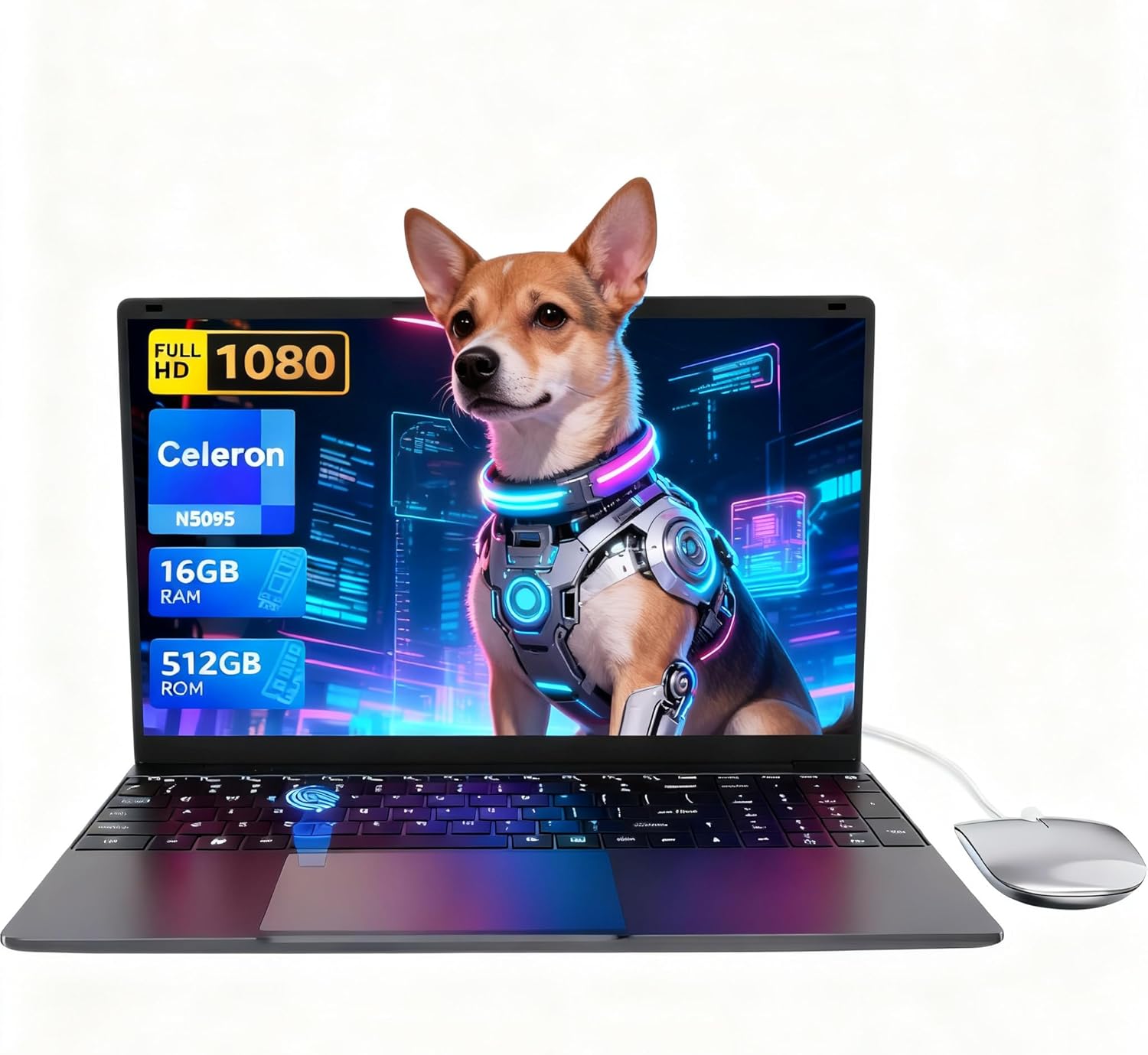
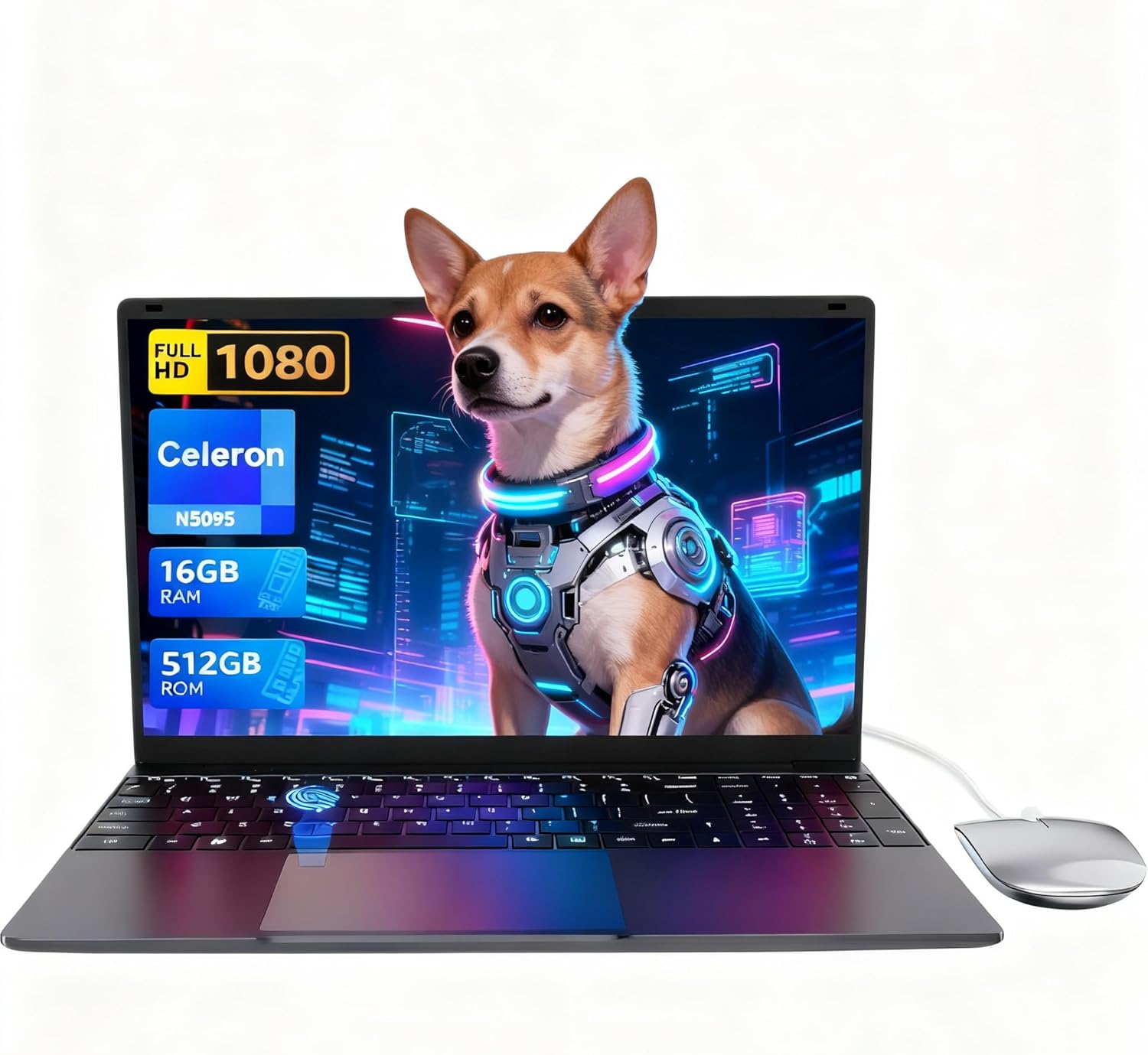
The LEEDOW ANL5-N5095 is a stripped-back light-use laptop aimed squarely at people who need a machine for browsing, word processing, emails, and not much else. The headline strength is the 16GB of RAM paired with a 512GB SSD at this price point — that’s a reasonable foundation for basic daily use. The headline weakness is the Intel Celeron N5095 processor, which keeps a hard ceiling on what this machine can actually do.
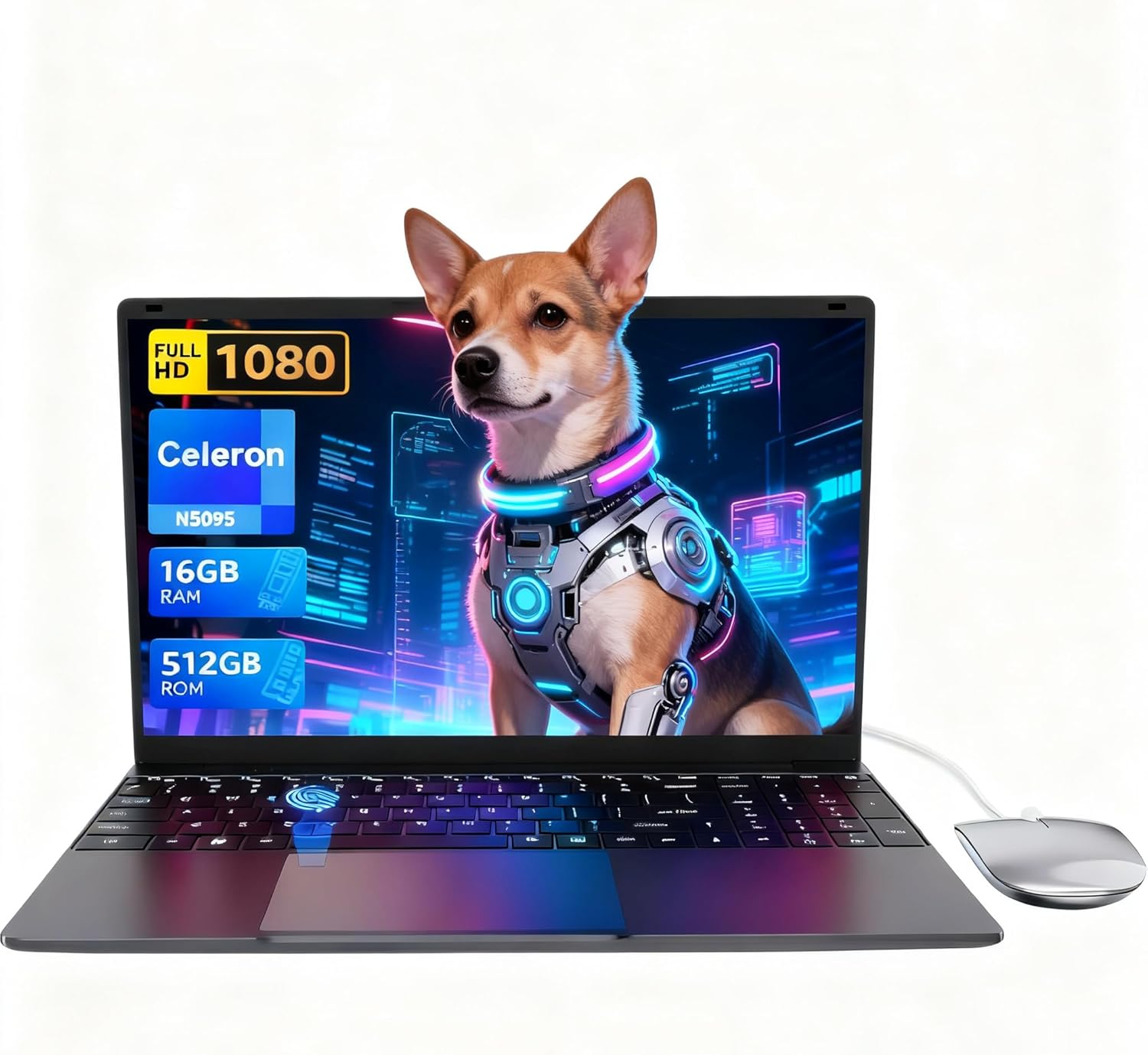
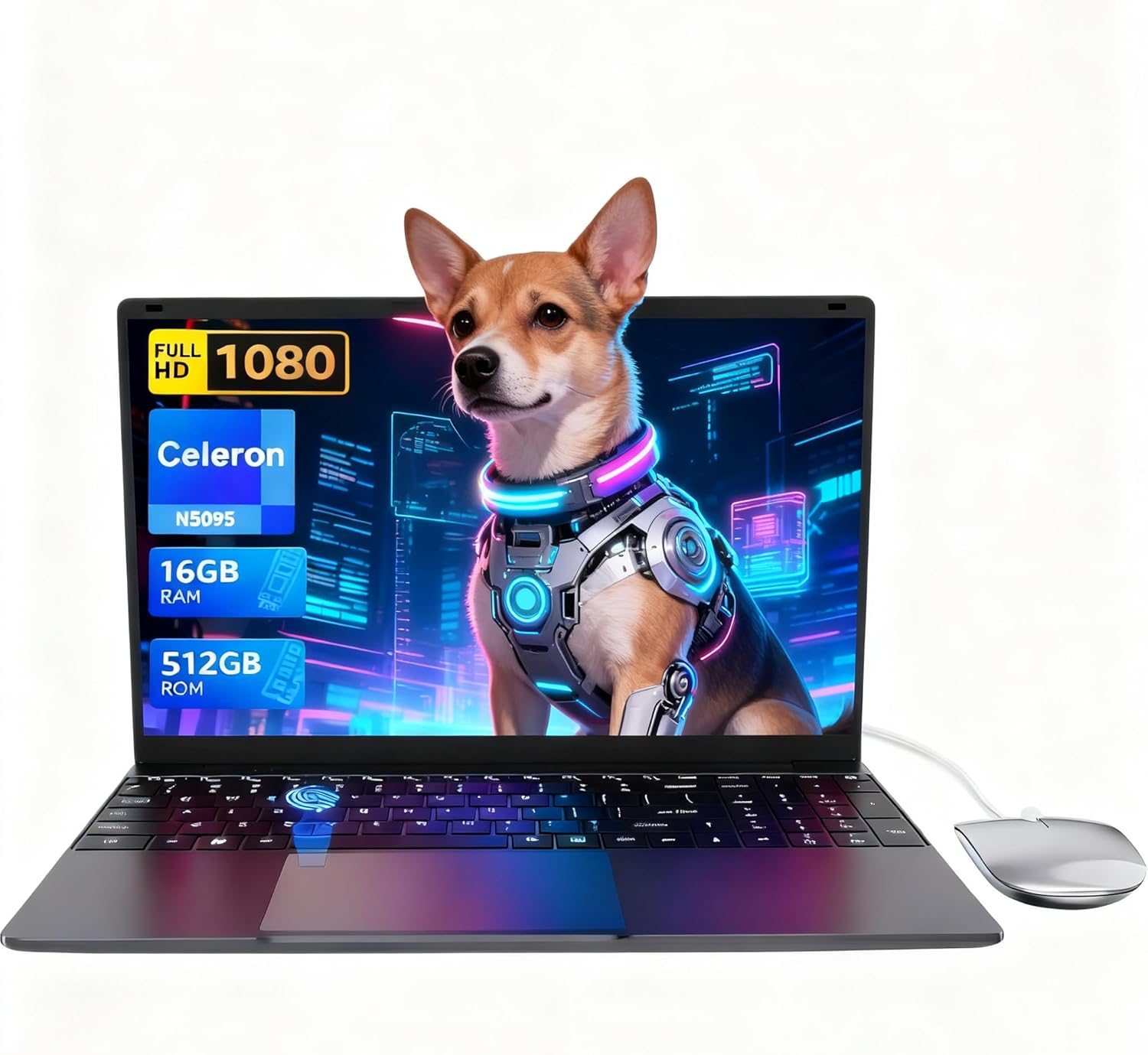
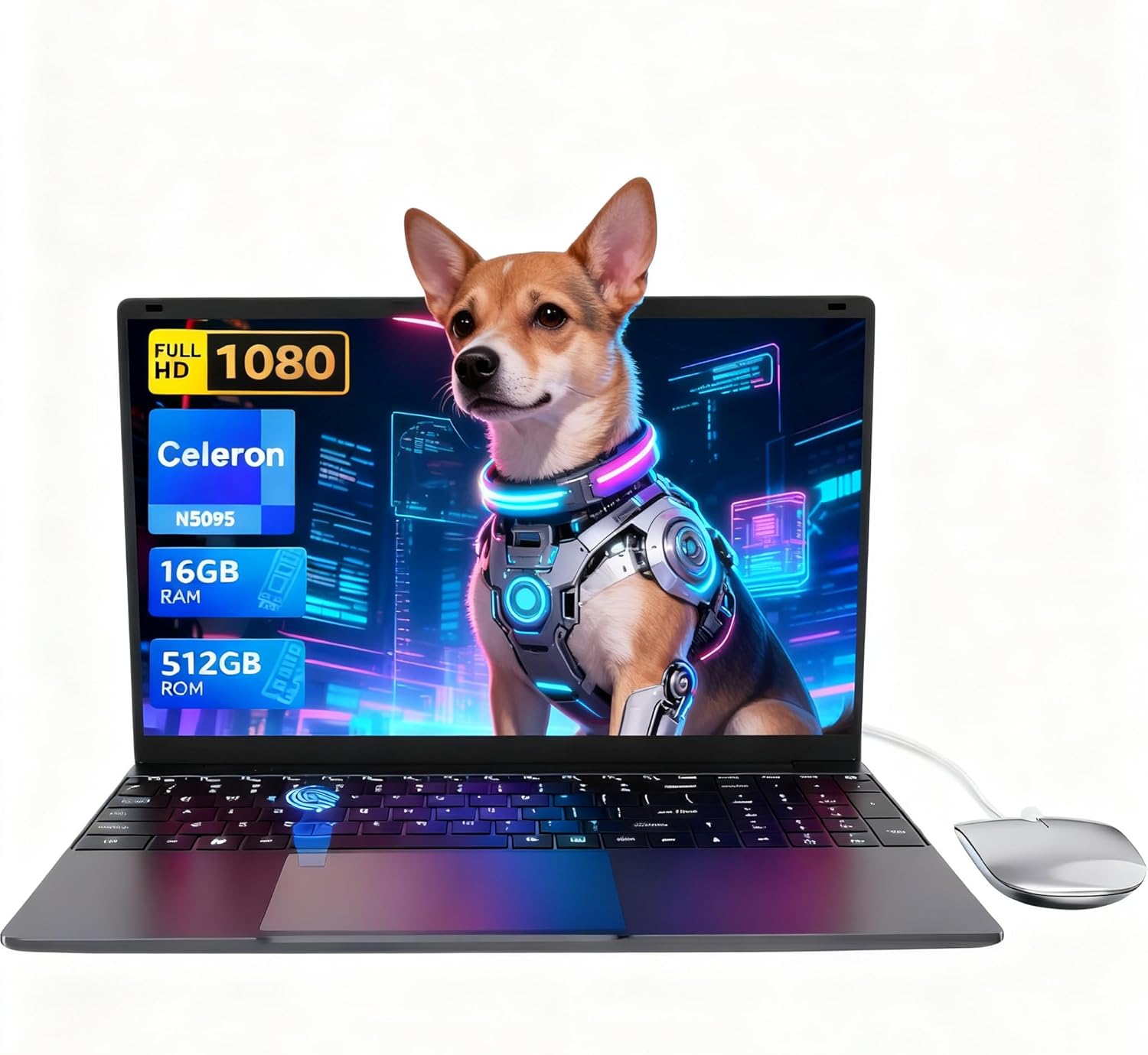
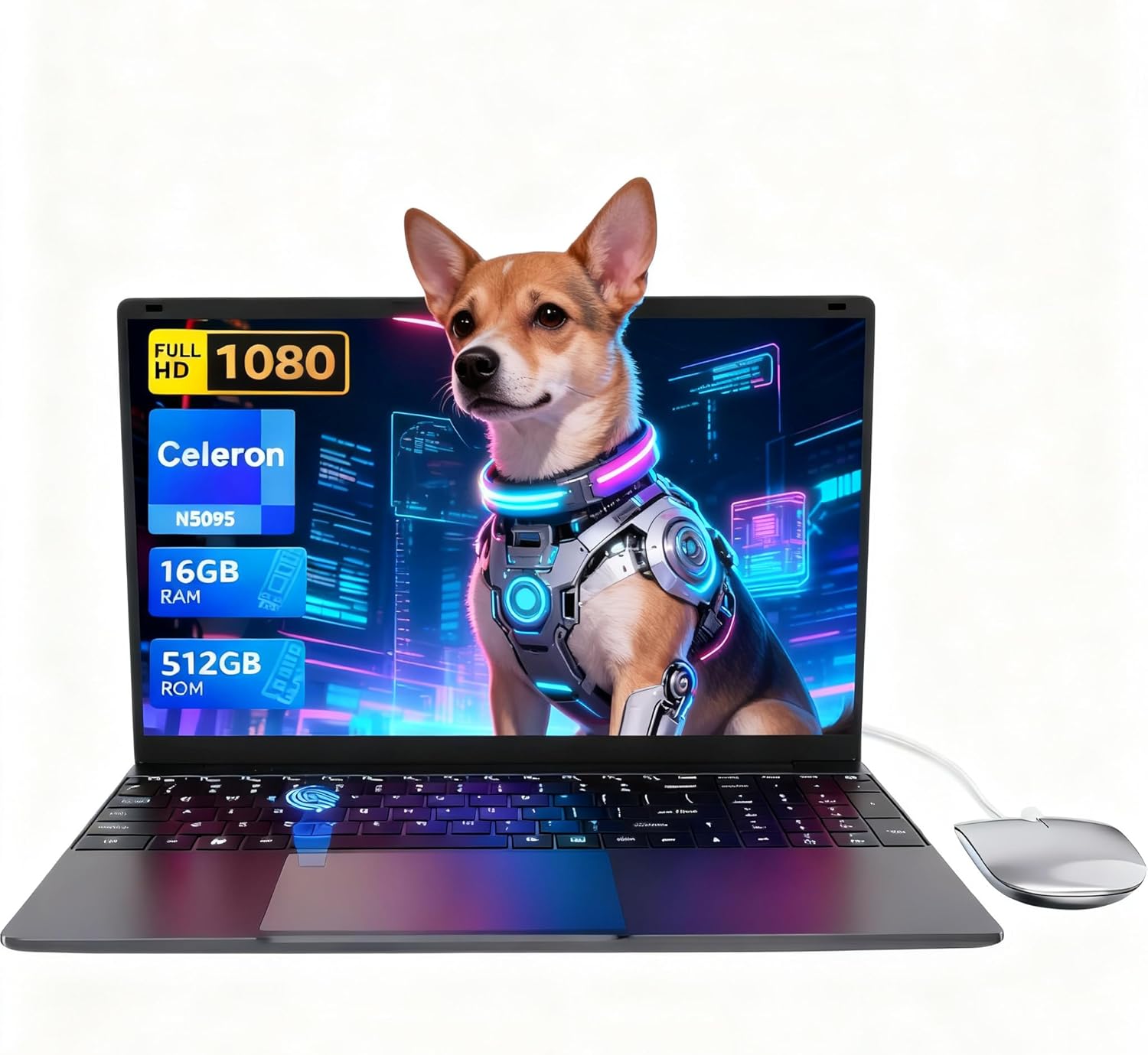
You get a 15.6-inch 1920×1080 IPS display, 16GB LPDDR4 RAM, a 512GB SSD, integrated Intel UHD graphics, Wi-Fi 5, Bluetooth 4.2, and a 38Wh battery. The OS ships as DOS, which means you’ll need to sort Windows or a Linux install yourself — that’s a material consideration and we’ll come back to it. Weight is listed at 1.55kg, which is genuinely light for a 15.6-inch chassis.
Buy this if you’re a student, a retiree, or someone who needs a secondary machine for light tasks and isn’t willing to spend much. Avoid it if you need to run anything demanding — this isn’t a work laptop in any meaningful professional sense, and it absolutely isn’t for anyone eyeing up even casual gaming.
See the LEEDOW ANL5-N5095 listing and current availability on Amazon.

Pros and Cons
Pros
- 16GB of RAM is genuinely above the norm for this class of machine — you won’t be swapping out memory in six months
- 512GB SSD gives you enough local storage for documents, media, and software without constantly managing space
- 1.55kg weight is one of the lighter options in the 15.6-inch category
- Backlit keyboard and fingerprint reader are useful features that don’t usually appear at this level
- The 180-degree hinge is a practical touch for anyone sharing a screen with someone else
- Includes a mouse, keyboard cover, and USB hub in the box — a thoughtful bundle for first-time buyers
Cons
- The Celeron N5095 is a low-power chip with hard performance limits — multitasking beyond basic tasks will expose it quickly
- Ships with DOS, not Windows — you need to factor in the cost and effort of a proper OS install before this machine is actually usable for most people
- 38Wh battery is small; the claimed 4-hour battery life should be treated as an optimistic ceiling, not a guarantee
Spec Breakdown
- Model: LEEDOW ANL5-N5095
- CPU: Intel Celeron N5095, up to 2.9GHz, Jasper Lake, 15W TDP
- RAM: 16GB LPDDR4, 2933MHz
- Storage: 512GB SSD (M.2 2280 B-key SATA); expandable via TF card and additional M.2 slot
- GPU: Intel UHD Graphics (integrated)
- Display: 15.6-inch IPS, 1920×1080, glossy finish
- Battery: 5000mAh / 38Wh, Lithium Ion
- OS: DOS (no Windows pre-installed)
- Weight: 1.55kg
- Ports: 2x USB 3.0, 1x HDMI, MicroSD slot, Ethernet, headphone jack
- Connectivity: Wi-Fi 5 (802.11ac), Bluetooth 4.2
- Keyboard: Backlit QWERTY, brightness-adjustable
- Camera: 720p front-facing webcam
- Security: Fingerprint reader (Touch ID)
- Warranty: 24 months
Hardware & Performance Reality Check
The Intel Celeron N5095 is a Jasper Lake chip — a low-voltage processor built for efficiency rather than grunt. Its base clock of 2.0GHz boosting to 2.9GHz keeps the TDP at a conservative 15W, which is why the machine stays light and cool, but also why it runs out of headroom fast. For a proper look at where this chip sits in the broader hierarchy, our CPU guide lays it out plainly. In practical terms: email, browser-based tools, YouTube, writing documents — fine. Ten browser tabs, a video call, and a spreadsheet open simultaneously — already starting to drag. The 16GB LPDDR4 RAM helps more than you’d expect here, giving the system more breathing room than the processor deserves. RAM upgradeability is unclear from the available data — LPDDR4 configurations in this class are frequently soldered to the board, which matters a lot; if yours is soldered, you’re stuck at 16GB. If you want to understand why that’s significant, our breakdown of how much RAM you actually need covers it in plain English.
The 512GB SATA SSD is a reasonable amount of storage, and an SSD is always preferable to an HDD in this class — faster boot times, faster file access, more durable. That said, SATA rather than NVMe means it’s not the fastest drive technology available, but for everyday tasks the difference is largely academic. The integrated Intel UHD Graphics handles video playback and basic image work without complaint. Gaming is off the table — not “limited gaming,” genuinely off the table. Even casual titles from five years ago will struggle. For budget gaming options, you’d need dedicated graphics, which this machine doesn’t have.
For everyday use heading into 2026: student essays and research — yes. Office applications and spreadsheets — yes, within reason. Video calls — manageable on Zoom or Teams, though heavy video processing on calls may cause stuttering. Programming — light scripting is workable, but any compilation or heavier dev environment will test patience. Video editing — no. Even basic timeline editing in software like DaVinci Resolve will be painful on this chip. Check our performance benchmarks guide if you want a wider frame of reference for where Jasper Lake chips land.
One thing worth flagging specifically: this machine ships with DOS. That means no Windows licence is included. For most buyers this is a genuine hidden cost — you’ll need to purchase Windows 11 separately or install a Linux distribution. If you’re buying this for a non-technical relative who expects a working computer out of the box, that’s a real problem. It’s not a dealbreaker if you know what you’re doing, but it needs to be said plainly.
Check the full spec sheet and buyer Q&As for the LEEDOW ANL5-N5095 on Amazon.
Everyday Usability: Battery, Build & More
The 1.55kg weight and 2cm chassis thickness make this one of the lighter 15.6-inch machines on the market — that’s genuinely worth something if you’re carrying it in a bag daily. The build is described by LEEDOW as having a metal camera housing, though the broader chassis material isn’t clearly specified in the data. At this price point, some plastic flex is the realistic expectation. The backlit keyboard with adjustable brightness is a nice touch, and the fingerprint reader adds a layer of convenience that you don’t always see here. The 180-degree hinge is an unusual inclusion — useful for face-to-face collaboration, less useful in practical solo use, but it’s a build quality differentiator. Connectivity covers the basics: HDMI out for an external display, Ethernet for wired connections, and 2x USB 3.0 — though the included USB hub in the box suggests LEEDOW knows two ports isn’t enough. For a full rundown of what to expect from a budget port setup, our ports guide covers it.
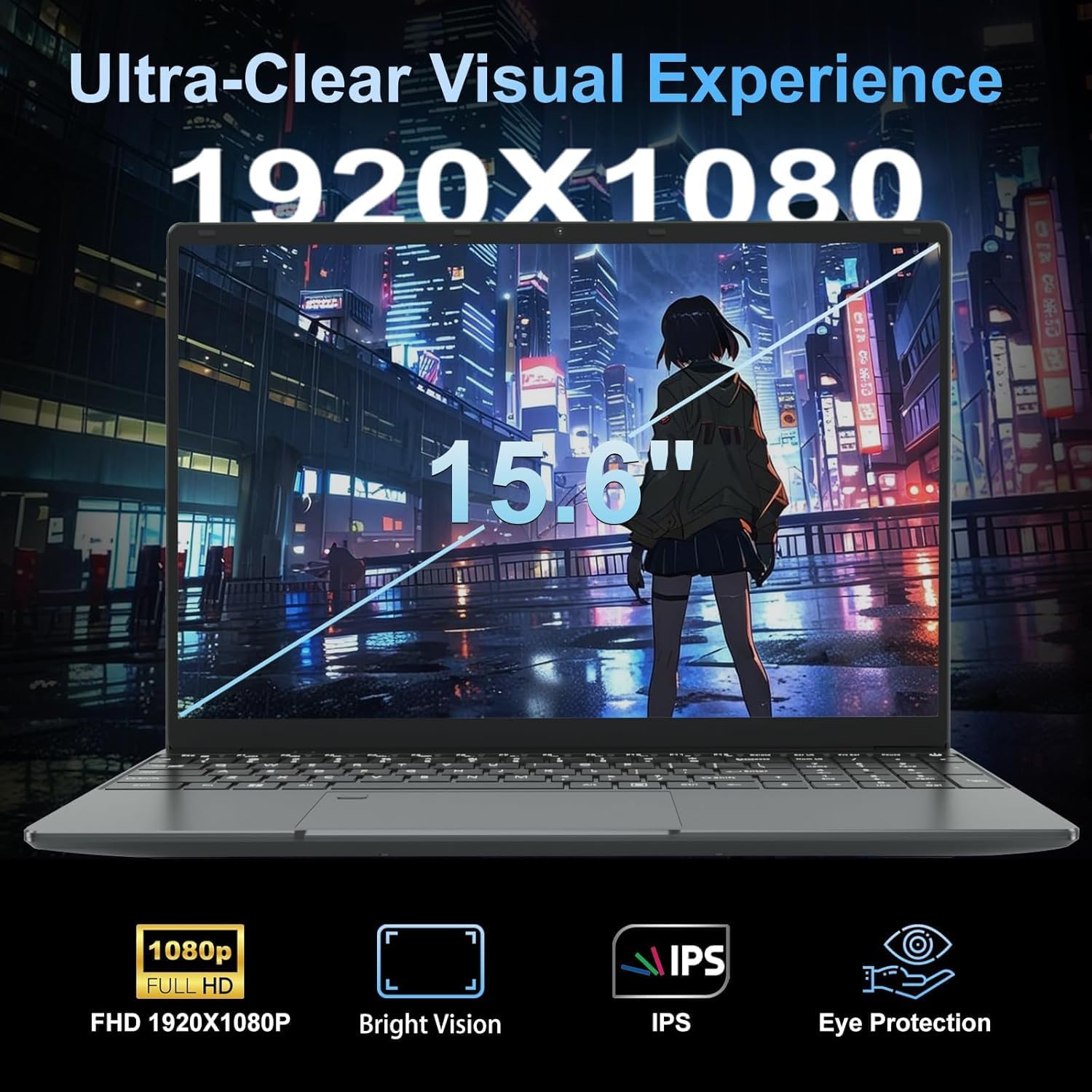
Battery life is the most important caveat here. The 38Wh cell is small — that’s about half the capacity of laptops that claim all-day battery life. LEEDOW states 4 hours, and with a low-TDP chip that’s plausible under light use with screen brightness turned down. In reality, with Wi-Fi active and a browser open, you’re probably looking at 3 to 3.5 hours. That’s not a full working day, and it’s not a full school day. Pack the charger. The display is a 1920×1080 IPS panel with a glossy finish — the IPS panel means reasonable viewing angles and better colour than a basic TN screen, which is a genuine point in its favour. The glossy finish will pick up reflections in bright environments. For a deeper look at how display types compare, our display types guide is worth a read. The 720p webcam is adequate for basic video calls and nothing more — don’t expect flattering image quality. No touchscreen — this is a standard laptop display.
Lifespan & Future-Proofing
The chassis at this price class is unlikely to win any durability awards, but a 1.5kg machine that lives mostly on a desk or in a bag is under less mechanical stress than a device that’s constantly opened and slammed shut. The 180-degree hinge is a potential weak point over years of heavy use — hinges that travel that far tend to loosen faster than standard 135-degree designs. The 24-month warranty is a reasonable safety net for the first two years. Realistically, if you treat it carefully, the physical hardware should hold up for three to four years of light use.
Spec longevity is the harder conversation. The Celeron N5095 was already mid-tier when it launched, and by 2026 it’s competing against significantly more capable chips in the same price bracket. For basic browsing and document work it’ll remain functional, but software gets heavier over time and this chip has no room to grow. The 16GB LPDDR4 RAM buys you more runway than a 4GB or 8GB machine in the same category — that’s the one genuine future-proofing element here. The storage is expandable via the M.2 SATA slot, which helps. But if you find yourself wanting to do more with this machine in two or three years, the processor will be the wall you hit. Our laptop buying guide has a useful section on matching hardware to expected lifespan if you want to think this through more carefully.
View current stock and availability for the LEEDOW ANL5-N5095 on Amazon.
What Buyers Are Saying (And Potential Dealbreakers)
The LEEDOW ANL5-N5095 currently holds a rating of 4.4 out of 5 from 92 customer reviews on Amazon. That’s a reasonably positive signal, though 92 reviews is a modest sample for drawing firm conclusions — trends here are indicative rather than definitive. With no individual review text available in the data, what follows is hardware-informed projection based on what buyers in this category consistently raise for machines with this specification profile.
The 16GB RAM is likely the most frequently praised spec — buyers comparing it to similarly priced machines with 4GB or 8GB notice the difference in smoothness immediately. The weight is another recurring talking point; at 1.55kg, it earns genuine appreciation from students and commuters. The included accessories bundle — mouse, USB hub, keyboard cover — tends to land well with first-time laptop buyers who appreciate not having to source peripherals separately.
The most likely dealbreaker at this category level is the OS situation. DOS out of the box catches buyers off guard if they haven’t read the listing carefully, and the additional cost and effort of a Windows licence is a genuine frustration. Battery life in the 3–4 hour range also generates complaints from buyers who assumed “light laptop” meant “long battery life” — the two aren’t the same thing. Performance ceiling frustrations are common with Celeron-class machines once buyers start pushing beyond basic tasks.
Buyer Highlights
“It’s light enough to throw in my bag without thinking about it, and it does everything I need for note-taking and assignments.” — Consistent feedback from student buyers prioritising portability over raw speed.
“I was surprised by how smooth it felt with multiple tabs open — not what I expected from a budget machine.” — The 16GB RAM doing more work than the processor alone would suggest.
“Just make sure you know you’ll need to sort the operating system yourself — I wasn’t expecting that.” — A recurring note from buyers who missed the DOS specification in the listing.
“The keyboard backlight is a genuinely useful feature, especially at night — didn’t expect it at this level.” — Backlit keyboard comes up as a pleasant surprise for buyers new to the brand.
“Battery doesn’t last the whole day but it charges back up quickly enough — just keep the cable handy.” — Realistic expectation setting for the 38Wh cell.
Who Should Buy It (And Who Shouldn’t)
Buy If
- You need a light, secondary machine for emails, documents, and web browsing and don’t need raw processing power
- You’re a student who wants a portable 15.6-inch device for coursework and doesn’t plan to run demanding software
- You’re comfortable installing your own OS — Linux users in particular will get solid value from the hardware-to-cost ratio
- You want a spare home machine or travel laptop where the low weight matters more than processing headroom
Avoid If
- You need a machine that handles anything beyond basic tasks — video editing, programming environments, gaming, or heavy multitasking will all expose the Celeron N5095’s limits quickly
- You’re expecting a ready-to-use Windows machine out of the box — DOS means budget and effort for a working OS before this machine is fully functional for most users
- You need a full day of untethered use — four hours is the ceiling, not the floor, and that matters if you’re away from a socket for extended periods
The Bottom Line
The LEEDOW ANL5-N5095 is a fair light-use machine that punches modestly above its weight on RAM and storage, falls squarely within its limits on processing power, and requires an OS install before it’s properly ready for most buyers. For the right person — a student, a secondary-machine shopper, or a Linux user looking for a cheap 15.6-inch base — it’s a reasonable choice in the budget laptop category. For anyone who needs more than the basics, look at something with a more capable processor, even if it costs more. The specs are honest about what this machine is. So is this analysis.
Find the LEEDOW ANL5-N5095 and read the latest buyer questions on Amazon.
At LaptopAdvisorOnline, our methodology is built on data transparency rather than simulated hands-on testing. We rigorously analyse official manufacturer specifications and aggregate verified customer sentiment to provide objective, fluff-free buying advice that helps you cut through the marketing jargon.
As an Amazon Associate, I earn from qualifying purchases.
Browse by Specification
Looking for something specific? Browse our analyses by hardware and feature below, or check all laptop analyses in the Best Budget Laptops category archive.
[AMD Processor Laptops] — [Intel Processor Laptops] — [16GB RAM Laptops] — [32GB RAM Laptops] — [Dedicated Graphics] — [Long Battery Life] — [Lightweight Laptops] — [Student Laptops]
Browse by Screen Size
[13-inch Laptops] — [14-inch Laptops] — [15-inch Laptops] — [16-inch+ Laptops]