
Laptop Prices Rising in 2026 — What UK Buyers Need to Know Right Now

Here’s what’s actually happening.
If you’ve noticed laptop prices rising in 2026 and wondered why, there are now two answers instead of one. The first is RAMageddon — the global memory shortage I covered in a recent article. The second arrived in the first week of March 2026, when military conflict broke out involving the US, Israel, and Iran, hitting semiconductor supply chains, energy costs, and shipping routes simultaneously.
What the Iran War Has Already Done to Supply Chains
The conflict is thirteen days old as I write this. In that time, several things have happened simultaneously that matter directly to anyone buying electronics in the UK.
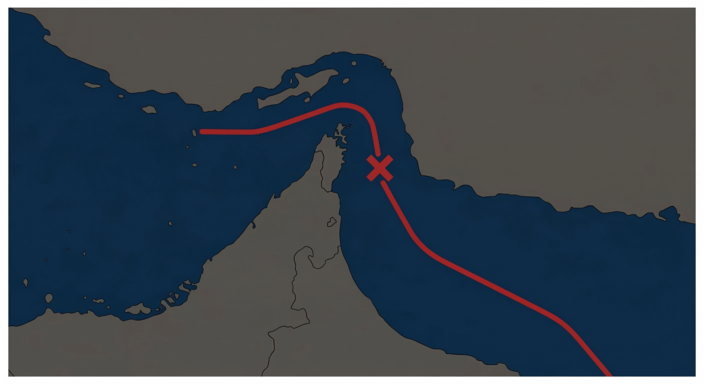
The Strait of Hormuz is effectively closed. This narrow waterway between Iran and Oman is one of the most critical shipping routes on earth — tens of millions of barrels of oil pass through it daily, along with enormous volumes of other cargo. Iran’s new supreme leader Mojtaba Khamenei has stated publicly that the closure will continue as a tool to pressure the enemy. Cargo ships that would normally pass through are now making the much longer voyage around the Cape of Good Hope, adding weeks to journey times and significant fuel costs.
Qatar’s Ras Laffan facility was hit by an Iranian drone attack. This is the part that matters most for anyone who cares about laptops specifically. Ras Laffan is the world’s largest single site for helium production — a byproduct of Qatar’s liquefied natural gas operations. Helium is not optional in semiconductor manufacturing. It is used to transfer heat during chip production and is critical to the lithography process that prints the circuitry onto a chip. There is no viable substitute. The Semiconductor Industry Association warned in 2023 that a helium supply disruption would send shocks through the entire global semiconductor manufacturing industry. That disruption is now happening. Analysts are describing a minimum two-to-three month shutdown and a four-to-six month period before the helium supply chain returns to anything resembling normal.
Air freight has collapsed across the region. Around 40,000 flights were cancelled in the early days of the conflict as airspace closed over UAE, Qatar, Bahrain, Kuwait, Iraq, and Iran. Emirates, Qatar Airways, and Etihad — three of the world’s largest cargo carriers — had their operations paralysed. This matters because electronics are exactly the kind of high-value goods that travel by air rather than sea. Around 35% of world trade by value moves through air freight despite representing less than 1% by volume. Laptops, components, and consumer electronics are disproportionately represented in that 35%.
Energy prices have spiked sharply. Brent crude hit $120 a barrel on 9 March — its highest level since Russia’s invasion of Ukraine. LNG spot prices jumped roughly 50% following the Ras Laffan closure. Taiwan gets around a third of its LNG from Qatar. TSMC — the world’s largest semiconductor manufacturer, responsible for producing chips for Apple, AMD, Nvidia, and virtually everyone else — accounts for 9% of Taiwan’s entire electricity consumption. Higher energy costs feed directly into chip manufacturing costs, which feed directly into laptop prices.
The Perfect Storm: RAMageddon Meets the Iran War
Here’s the part that should concern any UK buyer shopping for a laptop in 2026.
RAMageddon was already happening before the war started. Samsung DDR5 contract prices had more than doubled since late 2025. DRAM and SSD costs were forecast to surge by around 130% by end of 2026. TrendForce had already estimated that laptop brands might need to raise prices by 30% or more to maintain margins. Intel’s CEO had already indicated no meaningful relief until 2028.
That was the baseline. Before the war.
Now layer on top of it: helium supply disruption affecting chip manufacturing capacity, a 50% spike in energy costs for the fabs that make the chips, collapsed air freight adding weeks and surcharges to every component shipment, and shipping war risk premiums that insurers are repricing or cancelling entirely.
Samsung and SK Hynix — the two companies that between them produce most of the world’s DRAM — have seen over $200 billion wiped off their combined market value since the war started. TrendForce has revised laptop price rise estimates upward: some analysts are now talking about increases of up to 40% by end of 2026, up from the 30% figure that was already alarming enough before the conflict began.
The UK’s Office for Budget Responsibility has weighed in too. David Miles, a member of the OBR’s budget responsibility committee, told MPs that if energy prices remain where they are, UK consumer prices will be approximately 1% higher by end of year than previously forecast.
To be clear about what this means in plain terms: everything that was already driving laptop prices up has been made significantly worse by a conflict that has no clear end date.
What Does This Mean for UK Laptop Prices Specifically?
IDC has said that if the conflict lasts only a few weeks, the electronics industry impact will be modest. If it drags beyond three months, component crunches worsen significantly. Beyond six months, the analysts stop using words like modest.
As of today, thirteen days in, the situation is unresolved and no firm timeline for resolution has been established.
What we can say with confidence is what has already happened, regardless of when the conflict ends:
The helium disruption is already locked in. Even if a ceasefire was announced today, analysts estimate a minimum two-to-three month shutdown at Ras Laffan and four-to-six months before helium supply normalises. That damage to semiconductor manufacturing capacity is happening now.
Shipping surcharges are already being applied. Freight carriers have started adding fuel surcharges and war risk premiums to every shipment. These costs work their way through to retail prices with a delay of weeks to months.
The energy spike has already affected manufacturing cost calculations. A 50% jump in LNG prices doesn’t reverse overnight even if the conflict ends. Contracts, hedging, and production schedules mean the cost increase is already baked in for the near term.
The budget end of the market is most exposed. Petrochemical feedstock prices are rising as crude surges — up around 8% after the first strikes — which lifts costs across plastics, including the enclosures, laminates, and insulators that make up a laptop’s chassis. Budget machines use thinner margins and cheaper materials. They feel this first and most sharply.
Bromine: The Supply Chain Risk Nobody Is Talking About
While helium has got most of the attention, there’s a second semiconductor material worth knowing about: bromine.
Bromine is a key part of the semiconductor manufacturing process — used in flame retardants and as an etchant in chip production. Around two-thirds of the world’s bromine production comes from Israel and Jordan, according to the US Geological Survey. Israel is an active participant in the current conflict. While bromine supply disruption hasn’t materialised as dramatically as helium yet, it represents a secondary risk that analysts at Bain & Company have flagged as worth watching.
For now the impact is described as modest. But modest risks have a habit of becoming significant ones when they stack on top of other pressures that are already at play.
Should You Buy a Laptop Now or Wait?
My position from the RAMageddon article hasn’t changed — it’s only become more urgent for buyers in the under-£600 bracket.
Buy now if:
Your budget is under £600 and you need a laptop within the next three to six months. The combination of RAMageddon and the Iran war supply disruptions means the direction of travel for prices in this tier is unambiguously upward. The machines available at £350–£500 today are unlikely to be available at those prices by summer. Waiting is a gamble that the conflict ends quickly and supply chains recover faster than analysts currently expect. Our best budget laptops guide covers the strongest options still available at sensible prices right now.
You’re a student heading to university in September. This applies with even more urgency than it did before the war. Back-to-school season will arrive in the middle of the period analysts are describing as peak supply chain pressure.
Your current laptop has died or is failing. There is no version of waiting that makes sense here. Buy the best machine your budget allows from the options currently available.
Wait if:
Your budget is £800 or above and you’re not in a rush. The premium end of the market has more pricing resilience. Manufacturers at this tier have longer supply contracts, bigger margins to absorb cost increases, and more flexibility. The pressure is real but slower to bite. When you’re ready, our best mid-range laptops guide covers the current field with honest assessments of what each machine actually delivers.
You’re specifically waiting for Intel Panther Lake or next-generation Snapdragon X2 machines. If you’re spending serious money and want the latest silicon, those chips are landing throughout 2026 regardless of the supply chain disruption. Premium new machines will be available — they’ll just cost more than they would have six months ago.
The Refurbished Market: Still the Quiet Winner
Everything I wrote about refurbished laptops in the RAMageddon article applies here with equal force. The used and refurbished market — ThinkPads, Dell Latitudes, HP EliteBooks coming off corporate leases — has not tracked the new market’s price movements. It won’t be immune forever, but right now it represents the clearest way to get genuine value for money while new prices are being pushed up from multiple directions simultaneously.
A refurbished ThinkPad T14 or Dell Latitude 5420 with 16GB RAM and a 512GB SSD on Amazon.co.uk sits at £250–£380. That specification in a new machine is heading toward £500 and climbing. UK consumer rights under the Consumer Rights Act 2015 still apply to refurbished goods purchased from businesses — you’re not without protection.
What Specs to Prioritise Right Now
If you’re buying in the current climate, the same priorities from the RAMageddon piece apply — with one addition:
16GB RAM is now more important than ever. Memory is the most directly squeezed component. Getting 16GB now at today’s prices is increasingly the smart move over 8GB.
Don’t scrimp on SSD. NAND flash is part of the same supply squeeze as DRAM. 512GB is a comfortable minimum. 256GB is workable but tight.
Processor prices haven’t moved. A Core i5-1335U or Ryzen 5 7530U from the last two generations still gives you excellent everyday performance at prices that haven’t been distorted by the current supply crisis. You don’t need the latest chip to get a good machine right now.
Avoid 4GB RAM entirely. This was already bad advice before any of this happened. In March 2026 it’s borderline unusable.
The Bottom Line
RAMageddon was already a problem. The Iran war has made it significantly worse.
The combination of helium supply disruption, energy cost spikes, collapsed air freight, shipping surcharges, and a DRAM shortage that predates the conflict by months creates a genuinely difficult environment for anyone buying a laptop in the UK in 2026. The OBR is forecasting higher inflation. Analysts are revising price rise estimates upward. The budget end of the market — sub-£500 machines — is most exposed.
None of this means you should panic. It means you should be informed. If you need a laptop and your budget is under £600, the case for buying now rather than waiting is stronger today than it was two weeks ago. If you’re in no hurry and have more flexibility, the refurbished market and the upper mid-range both offer more insulation from what’s happening.
The situation is developing daily. I’ll publish a new article as the picture becomes clearer.