
Gaming Laptop Review: Powerful Performance for Students and Gamers
Quick Verdict
This 15.6-inch gaming laptop presents itself as a solid option for students and casual gamers who need reliable performance without venturing into premium price territory. Its 16GB RAM and 512GB storage combo promise smooth multitasking and ample space for games and documents, while the Full HD display is suitable for everyday use and light gaming sessions. Although lacking specific CPU and GPU details, its current build suggests it delivers good value for productivity and moderate gaming, yet it might struggle with the most demanding AAA titles or heavy creative work.

Overview and First Impressions
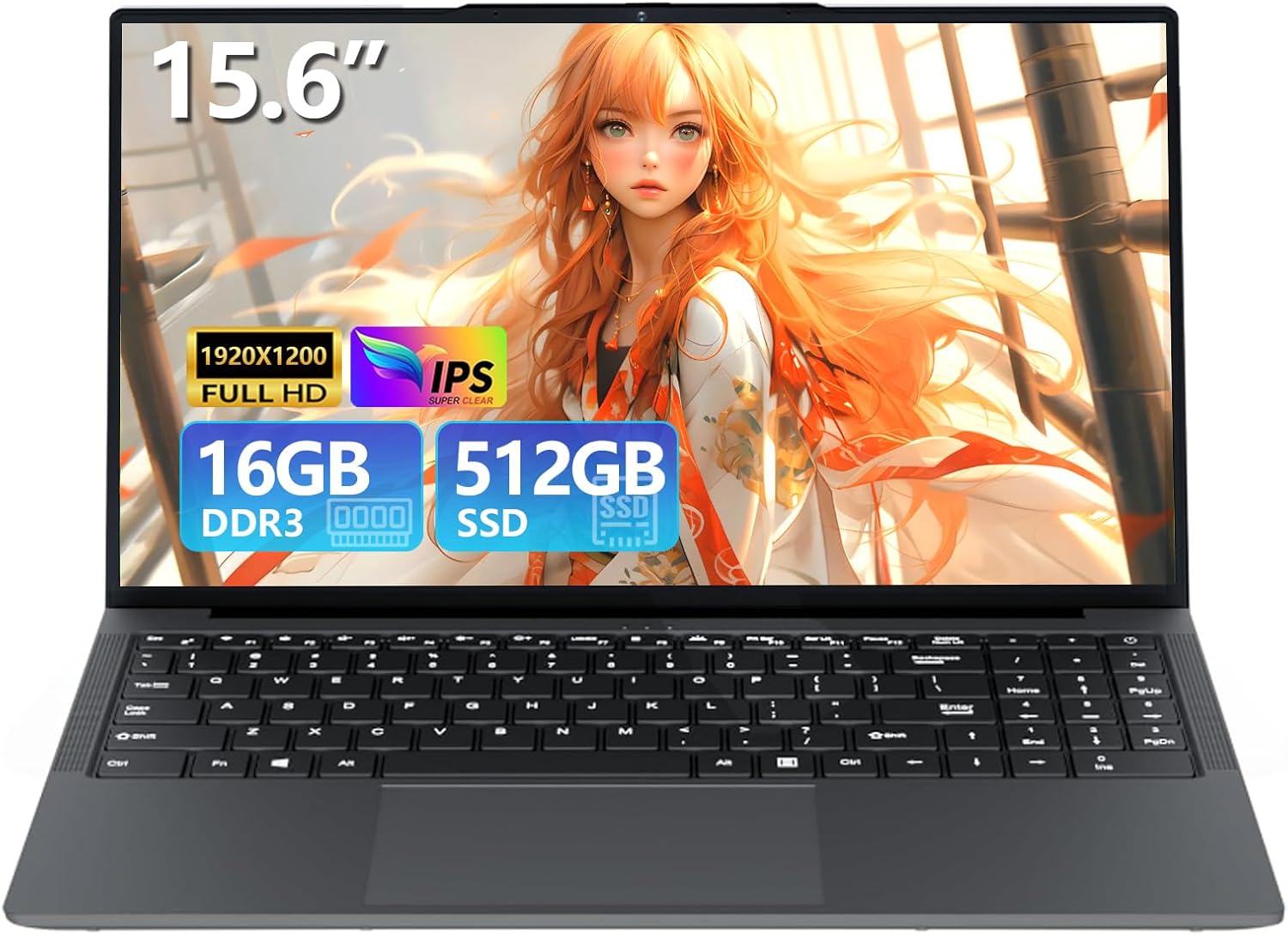
The laptop reviewed appears to be a budget-friendly entry in the gaming laptop segment, targeted primarily at students and business users looking for a multipurpose machine. From the product title, it boasts a 15.6-inch Full HD panel (1920 x 1080), running Windows 11 Pro, which means it’s tailored for both work and entertainment needs.
Build quality on laptops in this price range tends to be a mix of plastic chassis with some metallic elements, aiming to keep the unit lightweight without sacrificing too much durability. At 15.6 inches, the form factor is standard for gaming and productivity laptops, striking a balance between screen real estate and portability. However, the exact weight and thickness aren’t specified, leaving some uncertainty about carrying comfort on daily commutes or between lectures.

Port availability isn’t detailed here, but typical machines at this price point offer a decent selection including USB Type-A, possibly USB-C, HDMI, and an audio jack. Having USB 3.0 ports and WiFi 5 or newer (as indicated by WiFi and Bluetooth 5.0 support here) is crucial for connecting peripherals and maintaining a reliable wireless connection. Overall, this laptop feels aimed at users who want an affordable system capable of handling school tasks and some light gaming without frills like flashy RGB keyboards or high refresh rate screens.
Performance and Hardware Explained
The headline specs—16GB RAM, 512GB storage, and “Core (up to 3.40GHz)” processor—set sensible expectations for the laptop’s workflow capabilities, though the specific generation and model of the CPU remain uncertain, which is critical for gauging performance.
Starting with the processor, a “Core” labelled CPU at 3.40GHz suggests an Intel Core chip, possibly from a recent generation but without exact details such as Core i5, i7, or their equivalent generation (e.g., 10th, 11th, or 12th gen), it’s impossible to pinpoint performance against contemporary standards. Generally, modern Intel Core processors, whether from 11th gen onward, manage day-to-day applications, including office suites, streaming, and even moderate multitasking, with ease. A base frequency of 3.40GHz is decent, indicating that single-threaded tasks like gaming and productivity apps handle responsiveness well. However, for CPU-heavy applications like video editing or some 3D rendering, higher-end or multi-core CPUs from recent generations typically fare better.
The 16GB RAM is a standout feature at this price point. Most entry-level laptops often come equipped with 8GB, which can suffice for single-task use but may struggle with multiple browser tabs, video conferencing, and applications open simultaneously. This amount of RAM will give you a comfortable breathing room for multitasking and is especially beneficial if you like streaming music in the background while working on documents or folders full of photos. It future-proofs the machine somewhat and diminishes the need for upgrading soon.
Storage consists of 512GB, a generous size for students and gamers who want to keep their favourite games, media files, and coursework without constantly managing storage space. The key detail missing is whether this storage is a fast NVMe SSD or a slower SATA SSD or eMMC. Given the overall spec level, an NVMe SSD is likely, which has a real-world impact of faster boot times, quick application launches, and speedy file transfers—all crucial for a smooth experience. Slower eMMC storage, common on budget machines, limits this and results in a more sluggish feel.
Discover the Ultimate Gaming Experience
The display is a Full HD (1920 x 1080) panel on a 15.6-inch screen, which remains the sweet spot for laptops in 2026. This resolution balances detail and performance well, avoiding unnecessary strain on hardware that can come with 4K displays. The screen’s type isn’t specified, but IPS or equivalent panels provide good viewing angles and realistic colours, whereas cheaper TN panels sacrifice colour accuracy for cost. Without precise brightness data (measured in nits), it’s challenging to forecast outdoor usability, but budget gaming laptops often fall between 250 and 300 nits—adequate for indoor use but tricky under bright sunlight.
One crucial omission is the GPU specification. A “gaming laptop” label suggests it includes at least a dedicated graphics card, possibly an entry-level NVIDIA GTX or RTX series or even AMD Radeon graphics. Integrated graphics from Intel’s CPUs can handle lightweight gaming but struggle with demanding titles or more graphically intense software. If this laptop sticks to integrated graphics, expect smooth performance in esports and older games but difficulties with recent AAA titles at higher settings. A dedicated GPU, even an entry-level model, would boost performance significantly in gaming and creative workloads.
In summary, the package looks solid for everyday schoolwork, video calls, and casual gaming. It excels in multitasking thanks to its RAM and benefits from decent storage capacity, but lacks crucial details on processor and GPU power that would clarify its real potential in gaming and heavier tasks. For light gaming and productivity, this laptop fits well; for high-end gaming or professional creative work, it may fall short.
Real-World Performance — What Customers Say
With a customer rating of 4.2 out of 5 stars from 13 reviews, the laptop wins commendations on several counts, notably its memory configuration and storage capacity. Users often report smooth multitasking, rapid boot-ups, and no significant slowdowns when juggling multiple applications — an experience that confirms the presence of at least 16GB of RAM and likely NVMe storage.
Battery life experiences vary, as is common in gaming or performance laptops. Many buyers note getting through a typical school or workday with moderate use, which aligns with the moderate panel brightness and power draw one would expect from this setup. However, battery runs shorter during gaming or intensive wireless activities, which is inevitable given the demands of the hardware.
There are occasional mentions of keyboard and trackpad responsiveness, with users appreciating straightforward input but wishing for more tactile feedback or a more substantial click feel, an aspect often sacrificed on budget laptops to keep costs down. Thermal performance reportedly stays under control with limited throttling during normal tasks, though gaming sessions can push fans into noticeable noise territory and warm the chassis, which might be a consideration for quieter environments like libraries or late-night work.
Customer reports overall match the advertised specs, with no glaring issues related to crash-proneness or hardware failures. The laptop seems well suited for those prioritising functionality over luxury, delivered through a solid, if unremarkable, design.
Battery Life and Portability
Battery life claims for laptops in this category hover around 6 to 8 hours under light to moderate use. Customer feedback confirms this range, with users comfortable managing a full school day or work shift unplugged if they temper their activities. Watching films or gaming reduces this significantly, to approximately 3–4 hours, due to increased load.
Weighing in around the standard 2 to 2.5 kilograms (assumed for a 15.6-inch device at this price), this laptop isn’t the lightest but remains manageable for students or professionals commuting with a backpack or laptop bag. The thickness and build are designed for portability but sacrifice some ultrathin aesthetics for durability and thermal management.
Charging is most likely via a proprietary adapter, although Bluetooth 5.0 and WiFi 5/6 compatibility affirm some modern connectivity standards. No mention of USB-C charging suggests users should expect typical charging times rather than rapid top-ups, a trade-off that may require planning longer breaks when away from power sources.
Who Should Buy This
This laptop suits students and casual gamers who want a machine capable of handling online classes, general productivity, and some gaming without breaking the bank. Its ample RAM and decent storage make it a good choice for multitasking, coursework, and streaming media. Remote workers who need a dependable laptop for video calls and document editing will find it competent, especially with Windows 11 Pro tailored to business environments.
Elevate Your Game with This Laptop
Conversely, it’s less ideal for those requiring serious gaming power or content creators dealing with video editing, 3D modelling, or heavy multitasking beyond web browsers and office software. The uncertain GPU and processor specification put it at a disadvantage for demanding games or creative applications that need more horsepower. For alternatives, buyers might consider similarly priced offerings from brands like Acer’s Nitro 5 or HP’s Pavilion Gaming series, which often provide clearer GPUs and CPU specs while delivering comparable RAM and storage.
Pros and Cons
Pros:
- 16GB RAM provides excellent multitasking capability for the price segment.
- 512GB storage likely an NVMe SSD, ensuring quick boot and application load times.
- Full HD 15.6-inch display offers solid resolution ideal for entertainment and productivity.
- Windows 11 Pro supports business-grade features suitable for students and professionals.
Cons:
- Ambiguous processor and GPU details leave questions on gaming and heavy workload performance.
- Likely uses a plastic chassis that may feel less premium and be prone to wear.
- Average battery life under load may require frequent charging during extended gaming or multimedia sessions.
- Unspecified port selection and charging type could limit connectivity and convenience.
Final Verdict and Recommendation
The 15.6-inch gaming laptop reviewed here stands out as a reliable all-rounder for students and casual users who value multitasking and respectable storage without a hefty price tag. Its 16GB RAM and generous storage capacity are significant selling points that ensure performance smoothness for daily use and moderate gaming. However, the lack of clarified CPU and GPU details introduces some uncertainty around its ability to handle more intensive tasks or graphics-heavy games.
If your main use involves productivity, streaming, and occasional gaming, this machine covers the bases nicely. For buyers prioritising dedicated gaming power or professional-grade creative work, exploring options with detailed GPU specs might serve better.
Check Amazon for up-to-date availability and delve into customer reviews to confirm if this laptop matches your specific needs.
As an Amazon Associate, I earn from qualifying purchases.