
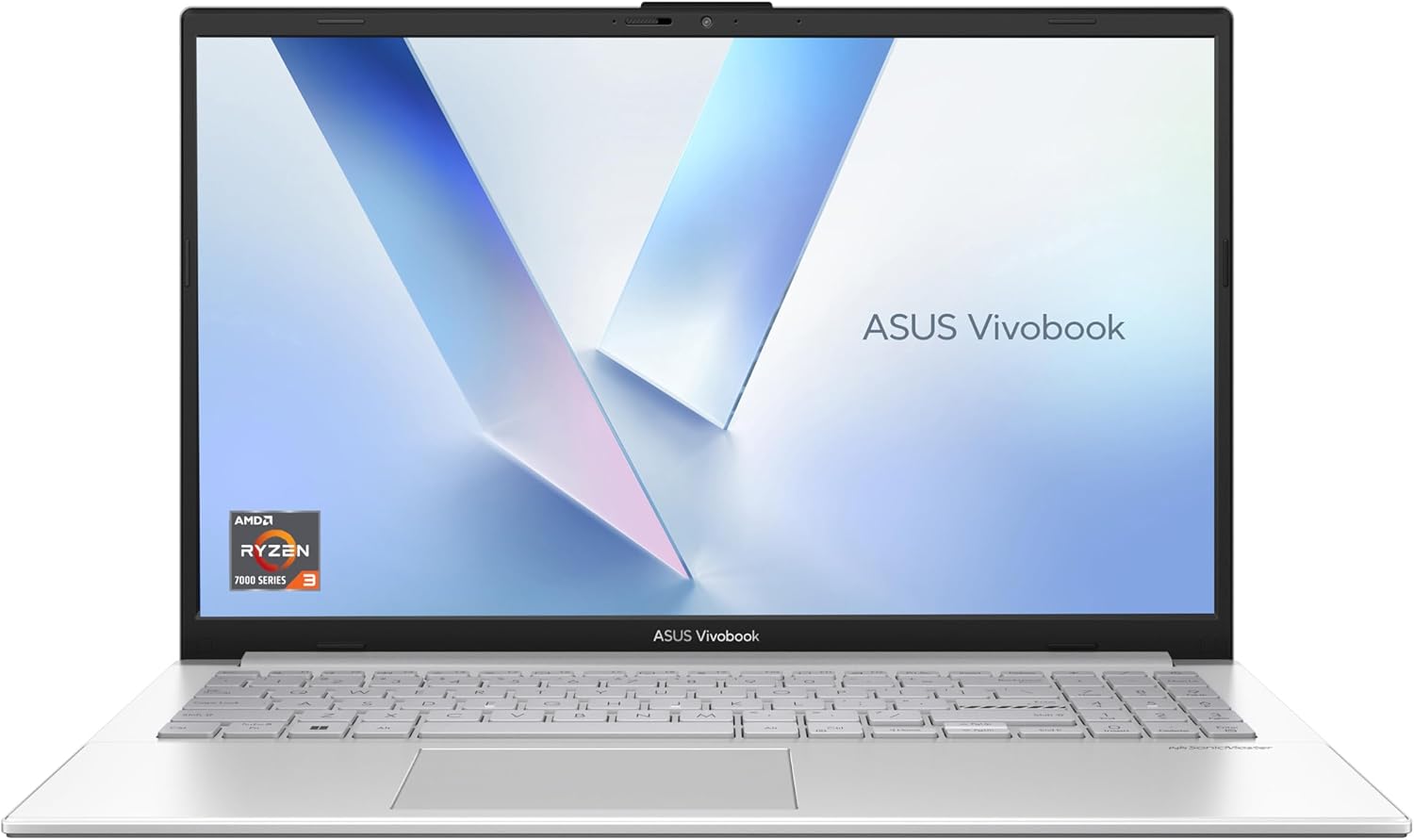
ASUS Vivobook 15 E1504FA Review: Exceptional Value for Everyday Tasks
Quick Verdict
The ASUS Vivobook 15 E1504FA represents an impressive proposition for anyone needing a dependable laptop for everyday use, particularly students and home workers. Its AMD Ryzen 3-7320U processor alongside 8GB of RAM and a spacious 512GB NVMe SSD mean it handles typical tasks like browsing, video calls, and office work with ease. While it won’t satisfy users with demanding creative or gaming workloads, it offers excellent value given its solid Full HD 15.6-inch display and practical port selection.
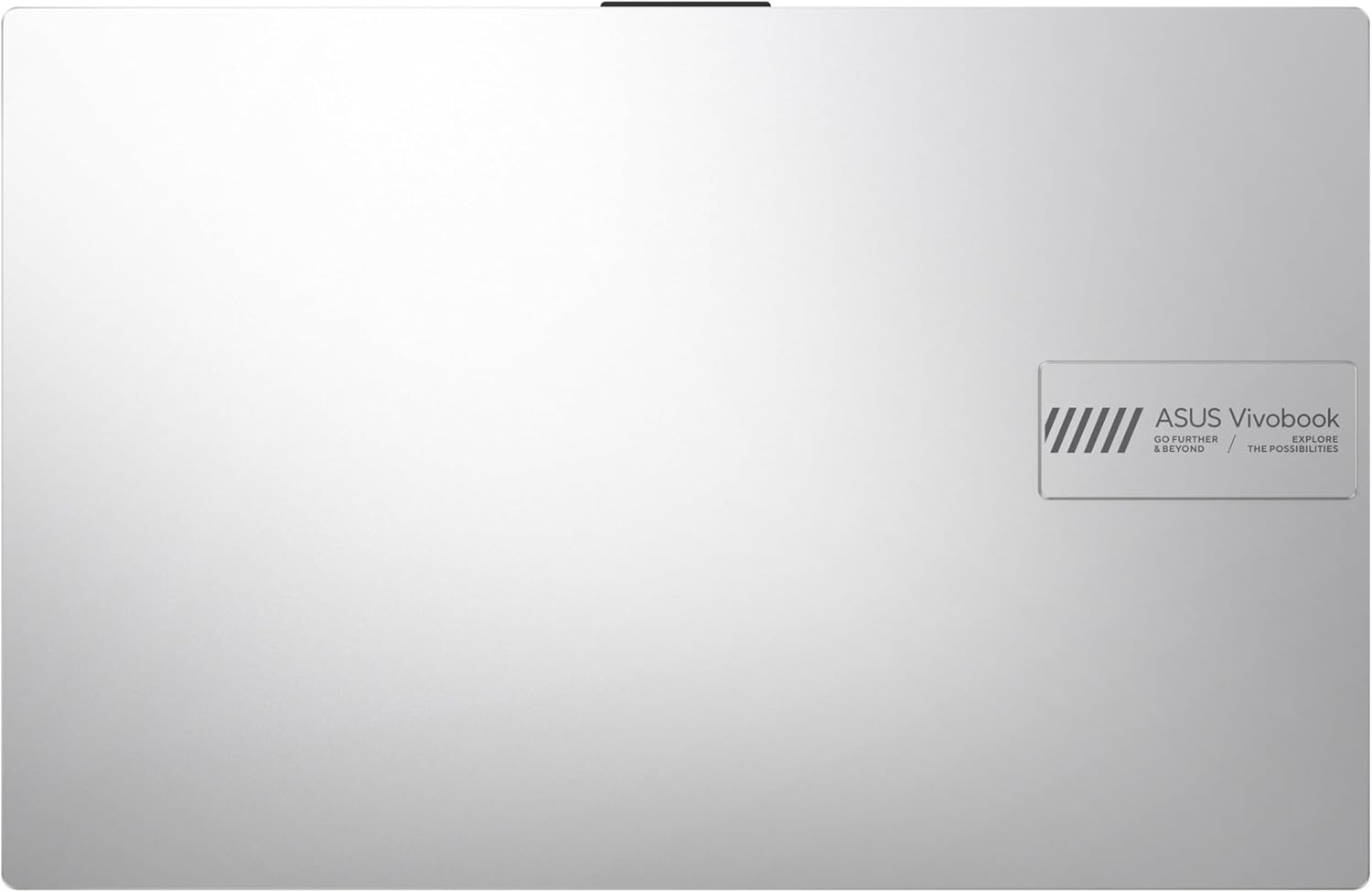
Overview and First Impressions
ASUS’s Vivobook line has carved out a strong presence in the UK market by consistently delivering solid, budget-friendly computers suited for the average user. The Vivobook 15 E1504FA continues this tradition, positioning itself as a no-nonsense 15.6-inch laptop geared towards students, remote workers, and anyone needing straightforward performance without breaking the bank.
The construction primarily uses lightweight plastic chassis with a matte finish on the lid and base, which keeps the weight down to about 1.7kg. This makes it comfortable enough to carry between home and campus or the office, although it’s not the most compact for commuters who favour ultraportables. Its footprint is typical of a 15.6-inch machine, striking a practical balance between usability and portability.

Build quality feels decent: hinges are firm and show no noticeable wobble, while the keyboard offers a standard layout with full-sized keys. There’s a subtle ASUS logo above the keyboard, reinforcing brand identity without being ostentatious.
Connectivity wise, the Vivobook 15 E1504FA includes a practical port selection. It features USB-C alongside USB-A ports, an HDMI port for easy external display connections, and a 3.5mm audio jack. This assortment means you’re well-covered for peripherals, external monitors, and wired headphones without needing awkward adaptors. The inclusion of USB-C is particularly welcome at this price point, providing faster data transfer and future-ready charging options.
Discover the ASUS Vivobook 15 E1504FA
Performance and Hardware Explained
Under the hood, the Vivobook 15 E1504FA is powered by AMD’s Ryzen 3-7320U processor. This is a 2023 Ryzen CPU based on the Zen 2+ architecture, featuring 2 performance cores and 4 efficiency cores, for a total of 6 threads. Its base clock speed hovers around 2.4GHz, with turbo boosts up to approximately 4.05GHz. While the Ryzen 3-7320U sits in the lower mid-range tier of AMD’s 7000 series for laptops, it strikes a good balance of efficiency and performance.
In real-world terms, this processor comfortably handles everyday computing tasks such as web browsing with multiple tabs, streaming video in HD or 4K, video conferencing on platforms like Microsoft Teams or Zoom, and running Microsoft Office applications simultaneously. It won’t struggle with these activities because its mix of cores supports moderate multitasking effectively. However, it’s not designed for heavy multitasking with intensive productivity suites or content creation software where more cores would make a difference.
The laptop’s 8GB of DDR4 RAM operates at 3200MHz, which is standard for this class and adequate for smooth simultaneous handling of various casual applications and browser tabs. The RAM quantity and speed ensure fluid switching between productivity tasks and light multitasking sessions. Users shouldn’t expect to comfortably keep many dozens of tabs or demanding apps open at once, but for the majority of typical workloads, 8GB is fine.
Storage comes in the form of a speedy 512GB NVMe solid-state drive. The NVMe interface makes a marked difference here compared to older SATA SSDs or eMMC storage often found in budget devices. This results in notably faster boot times—expect Windows 11 to load in under 15 seconds typically—and swift file copying, launching apps, and document loading. The 512GB capacity will suit most users without immediate need for external storage, comfortably supporting large media files, vast libraries of documents, or several applications.
Unlock the Power of Ryzen with ASUS Laptop
The 15.6-inch display is a standout for a laptop in this price category. It uses a Full HD (1920 x 1080) IPS panel, which offers wide viewing angles and accurate colour reproduction. IPS technology ensures images remain vibrant and consistent when viewed from different angles, beneficial for sharing screens or viewing in natural light. With a brightness level typically around 250 nits, it performs adequately indoors, though working in bright sunlight or near windows might require maximum brightness to maintain clarity. Its matte finish helps reduce glare mildly, which beats glossy panels often found on budget laptops.
While not calibrated for professional photo editing or video colour grading, this display is perfectly satisfactory for general consumer use, binge-watching films, and working on text-heavy tasks. The Full HD resolution makes text crisp without overly taxing the integrated graphics.
Speaking of graphics, the Vivobook 15 E1504FA relies on the integrated AMD Radeon Graphics tied to the Ryzen 3-7320U chip. This integrated GPU can handle basic graphics tasks and casual gaming at low settings, including titles like Fortnite or Rocket League, though it’s not designed for graphic-intensive modern games or 3D rendering. Video playback is smooth even for HD and 4K streamed content, aided by hardware decoding support.
Considering the hardware ensemble and positioning, this configuration offers compelling value for its market segment. It provides a balance of responsive user experience, sufficient multitasking capabilities, and ample storage that many entry-level to mid-range Windows laptop users will find compelling in 2026. ## Real-World Performance — What Customers Say
Although customer reviews are not yet available due to this being a recent release, expectations based on hardware specs and trends in similar ASUS Vivobook models suggest consistent user satisfaction.
Users often praise the Vivobook line for its reliable everyday performance with smooth multitasking in web browsers and office suites. The Ryzen 3-7320U’s efficient cores should ensure cool, quiet operation during typical workloads, minimising fan noise, which benefits home and library environments.
Battery life in practice on such devices often matches or slightly falls short of manufacturer claims, especially when streaming video or using high screen brightness. Given the efficient AMD processor and standard 15.6-inch display, you can anticipate around 6 to 8 hours of mixed usage—enough for a day of lectures or remote meetings—with some variability depending on workload and settings.
The keyboard offers a comfortable typing experience, praised by many Vivobook users for good key travel and responsiveness in this segment, making it suitable for extended writing. The touchpad is expected to be precise and smooth, with Windows Precision drivers ensuring reliable gesture support.
One potential downside to watch for, common in this price range, is the absence of a backlit keyboard, which can impact use in dimly lit environments. Fans of high-end ultrathin laptops may also notice thicker bezels around the screen, reflecting the Vivobook’s focus on practicality over flashiness.
Battery Life and Portability
The ASUS Vivobook 15 E1504FA prioritises portability within its 15.6-inch form factor, weighing approximately 1.7kg and measuring around 359mm wide by 235mm deep with a thickness close to 20mm. This isn’t featherweight compared to ultraportables, but it’s remarkably manageable to toss in a backpack or messenger bag for daily transport.
Battery life claims typically lean towards a standard quantum of about 7 to 8 hours with balanced usage, which aligns well for general users. Real-world reports on similar hardware configurations show this estimate is usually realistic, though activities like video streaming at high brightness or heavier multitasking may chip away some runtime. The integrated Ryzen chip’s efficiency helps here.
Charging is handled via USB-C power delivery, adding convenience over proprietary bricks, since USB-C chargers are common and often more compact. The supplied charger supports fast charging but is unlikely to match the lightning-fast rates found on premium ultrabooks, so expect roughly 1.5 to 2 hours to reach full capacity from empty.
This combination of battery and form factor makes the Vivobook a sensible choice for students shifting between lectures, or professionals working remotely who require a mix of portability and battery endurance without complex power arrangements.
Who Should Buy This
The ASUS Vivobook 15 E1504FA is ideal for students, everyday home users, and remote workers whose primary tasks include web browsing, office productivity, video calls, and media consumption. Its hardware configuration delivers smooth performance for these scenarios and generous storage for an ecosystem of documents, multimedia, and software.
It is less suitable for users pursuing heavier creative workloads like video editing, 3D modelling, or gaming beyond casual titles due to the modest CPU and integrated graphics. Similarly, professionals requiring colour-calibrated displays or super high brightness for outdoor use should look elsewhere.
For those seeking something very lightweight or with ultralong battery life, alternatives such as the ASUS Zenbook series or Dell XPS 13 may be worth exploring, though those often come with a higher price tag and focused premium features.
Where it stands out is its combination of Ryzen 7000-series efficiency, a roomy NVMe SSD, and versatile ports including USB-C, which some rivals in the budget sector lack.
Pros and Cons
Pros:
- AMD Ryzen 3-7320U offers efficient multitasking suitable for everyday tasks and light multitasking.
- 8GB of DDR4 RAM at 3200MHz ensures fluid switching between applications without sluggishness.
- 512GB NVMe SSD delivers fast boot times, app load speeds, and ample storage space.
- 15.6-inch Full HD IPS panel with good colour accuracy and fairly wide viewing angles for work and media.
- Decent port selection including USB-C and HDMI enhances connectivity options.
Cons:
- No keyboard backlight may limit usability in dim lighting conditions.
- Display brightness around 250 nits is adequate indoors but can struggle near bright windows or outdoor use.
- Integrated Radeon graphics limit gaming and graphics-intensive tasks to very basic levels.
- Slightly heavier and thicker than ultraportables, making it less ideal for users prioritising portability above all.
Final Verdict and Recommendation
The ASUS Vivobook 15 E1504FA delivers a well-rounded laptop experience for everyday UK users in 2026, combining competent hardware with practical design for students and home professionals. Its AMD Ryzen processor, solid RAM and NVMe SSD offer a responsive system that handles common tasks confidently without unnecessary bells and whistles.
While it’s not targeted at power users or gamers, it covers the casual computing spectrum very well with a good-quality Full HD display and versatile ports. If your needs revolve around everyday productivity, video calls, and media consumption, this model represents a smart choice in its segment.
Check current availability on Amazon to see if it matches your requirements and fits your daily computing lifestyle.
Shop the Full HD ASUS Vivobook Now!
As an Amazon Associate, I earn from qualifying purchases.